A group therapy addiction program is a type of treatment where people meet in a group to talk, share and heal together. In these sessions, you sit with others who are also facing addiction. A trained therapist guides the group and helps everyone feel safe and heard. You are not alone in your struggle, and that can bring comfort and hope.
This kind of group therapy addiction program helps you learn from others while also sharing your own story. You may hear ideas that you never thought about before. You may also see that others understand your pain. This can help you feel less shame and more strength. Many people find that healing is easier when they are part of a group.
Table of Contents
Why Group Therapy Is Important in Addiction Recovery
Addiction can make people feel alone and cut off from others. A group therapy addiction program helps break that feeling. It gives you a space where people listen and support you. You begin to see that others have similar struggles, and that can make you feel less afraid.
Group therapy also helps you build trust again. Many people lose trust in themselves and others during addiction. In a group, you learn how to speak honestly and listen with care. Over time, this can help you build healthy relationships in your daily life. This is an important step in long-term recovery.
Get Help. Get Better. Get Your Life Back.
Searching for Accredited Drug & Alcohol Rehab Centers Near You? Or Mental Health Support?
Even if you have failed previously, relapsed, or are in a difficult crisis, we stand ready to support you. Our trusted behavioral health specialists will not give up on you. Call us when you feel ready or want someone to speak to about therapy alternatives to change your life. Even if we cannot assist you, we will lead you wherever you can get support. There is no obligation. Call our hotline today.
FREE Addiction Hotline – Call 24/7How Group Therapy Addiction Treatment Programs Work
Group therapy addiction treatment programs usually follow a regular schedule, with sessions held several times each week. Each session focuses on a specific topic, such as managing cravings, dealing with stress or understanding triggers. The therapist guides the conversation and ensures that everyone has a chance to participate.
There are clear guidelines in place to maintain a safe environment. These include respecting others, keeping shared information private, and listening without interrupting. While participation is encouraged, you are not forced to speak until you feel comfortable. Over time, many people find it easier to open up and take an active role in discussions.

Types of Addiction Group Therapy Sessions
Psychoeducational Groups
Psychoeducational sessions focus on helping you understand addiction and how it affects your mind and body. You learn about patterns of behavior, emotional triggers, and the science behind substance use. This knowledge can make it easier to recognize harmful habits and take steps to change them.
These sessions often include guided discussions, simple exercises, and practical examples. The goal is to give you clear tools that you can use in your daily life. When you understand what is happening and why, you feel more prepared to manage your recovery.
Support Groups
Support-based addiction group therapy sessions focus on sharing personal experiences and offering encouragement. In these groups, members talk about their challenges, progress, and setbacks. Others listen with empathy and provide support without judgment.
This type of peer support group therapy addiction model helps build a strong sense of connection. Hearing others speak honestly can make you feel less alone in your journey. It also creates a space where you can celebrate progress and learn from each other’s experiences.
Skills Development Groups
Skills development groups focus on building practical tools that support long-term recovery. These may include stress management, emotional regulation, communication skills, and problem-solving techniques. Learning these skills can help you handle everyday challenges without turning to substances.
Therapists often use role-playing or real-life scenarios to help you practice new behaviors. This hands-on approach makes it easier to apply what you learn outside of therapy. Over time, these skills become part of your routine and support a more stable lifestyle.

Get Your Life Back
Find Hope & Recovery. Get Safe Comfortable Detox, Addiction Rehab & Mental Health Dual Diagnosis High-Quality Care at the We Level Up Treatment Centers Network.
Hotline (877) 378-4154Benefits of Group Therapy in Addiction Recovery
One of the most important group therapy benefits in addiction recovery is the sense of shared understanding. Being surrounded by people who face similar struggles can reduce feelings of isolation. You begin to see that your experience is not unique and that recovery is possible.
Another key benefit is gaining new perspectives. Listening to others can help you reflect on your own behavior and choices. Group members often provide honest but supportive feedback, which can lead to personal growth. This combination of support and insight makes group therapy a valuable part of recovery.

Peer Support Group Therapy Addiction
Peer support plays a central role in many group therapy addiction programs. These groups are built on shared experience, which creates a strong sense of trust and connection. People often feel more comfortable opening up when they know others have faced similar challenges.
This type of support goes beyond advice. It offers real understanding and encouragement from people who have lived through addiction. Many individuals find that peer support helps them stay motivated and committed to their recovery goals.
Group Counseling in Substance Abuse Rehab
Group counseling substance abuse rehab programs often include daily or frequent sessions as part of a structured treatment plan. These sessions work alongside individual therapy, medical care, and other support services. Together, they provide a balanced approach to recovery.
In a rehab setting, group therapy helps create routine and accountability. Regular participation encourages consistency and progress. It also helps individuals build a support network that can continue even after formal treatment ends.
What to Expect at We Level Up NJ in Addiction Group Therapy Sessions
Your first group therapy session may feel unfamiliar or even uncomfortable. It is normal to feel unsure about sharing in front of others. At We Level Up Lawrenceville NJ therapist will guide the session and explain the process, helping you understand what to expect.
As you continue attending sessions, you will likely feel more at ease. You may begin to share more openly and connect with other group members. Over time, these sessions become a place where you can speak freely, gain insight, and feel supported in your recovery.
How to Choose the Right Group Therapy Addiction Program
Finding the right group therapy addiction program is an important step in your recovery journey. Look for programs led by qualified professionals who have experience in addiction treatment. A well-trained therapist can make a big difference in how effective the sessions are.
You should also consider the group size, structure, and focus. Smaller groups often allow for more personal interaction. It is important to feel safe and respected in the environment. Asking questions before joining can help you find a program that meets your needs.
Tips to Get the Most Out of Addiction Group Therapy Sessions
To get the most from your sessions, try to be open and honest. You do not have to share everything at once, but being truthful helps your healing. Listening to others is also very important.
Here are a few simple tips:
- Show up on time and attend regularly
- Listen without judging others
- Share when you feel ready
- Practice what you learn in daily life
These small steps can make a big difference in your progress.
Common Challenges in Group Therapy and How to Handle Them
Some people feel shy or afraid to speak in a group. This is very common. You can start by listening and sharing small things. Over time, your confidence will grow.
There may also be times when you do not agree with others. This is okay. Group therapy teaches you how to handle different views with respect. At We Level Up Lawrenceville NJ therapist is there to help guide the group and keep things calm and safe.
FAQs
Is group therapy enough for addiction recovery?
Group therapy is helpful, but it often works best with other treatments like one-on-one therapy and medical support.
What if I feel scared to talk in a group?
It is okay to feel scared. You can take your time and speak when you feel ready.
How long do group therapy programs last?
The length can vary. Some programs last a few weeks, while others continue for months.
Can I join a group at any time?
Many programs allow new members to join, but it depends on the program structure.
Are group sessions private?
Yes, there are rules to keep what is shared in the group private and safe.
What if I do not connect with the group?
If you do not feel comfortable, you can look for another group that fits you better.
Take a Step Forward
A group therapy addiction program can be a powerful step in your recovery journey. It gives you a safe place to share your thoughts, learn new skills, and connect with others who understand your struggle. You do not have to face addiction alone. Being part of a group can help you feel supported, heard, and valued.
Recovery is not always easy, but with the right help, it is possible. Group therapy addiction treatment programs offer guidance, care, and real human connection. If you or a loved one is struggling, reaching out to We Level Up Lawrenceville NJ for help is a strong and brave step. Healing can begin with one simple choice to join and be part of a group that cares.
Ready to get started? Call (201)389-9370 or email verifyadmissions@welevelup.com today. A better life is waiting for you
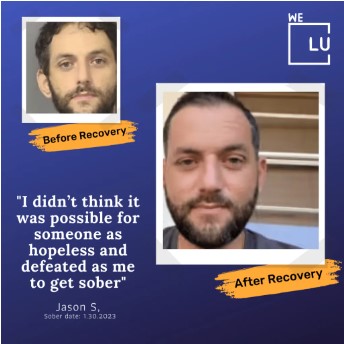
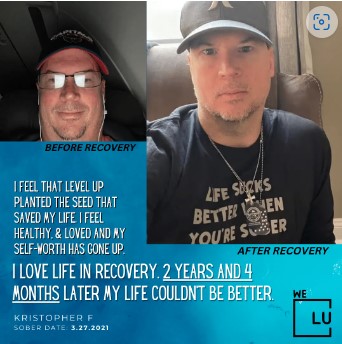
Experience Transformative Recovery at the We Level Up Treatment Center.
See our authentic success stories. Get inspired. Get the help you deserve.

Start a New Life
Begin with a free call to an addiction & behavioral health treatment advisor. Learn more about our dual-diagnosis programs. The We Level Up treatment center network delivers various recovery programs at each treatment facility. Call to learn more.
- Personalized Care
- Caring Accountable Staff
- Comfortable Amenities
- Licensed & Accredited
- Renowned w/ 5-Star Reviews