Biofeedback therapy for addiction recovery and relapse prevention care helps people feel more in control of their bodies and minds. It shows simple body signals like heart rate and breathing. These signals help people see how stress and cravings start. Many people with addiction feel strong urges that are hard to stop. This therapy helps slow those feelings down. It teaches the body to stay calm in hard moments. Over time, people learn to better control their emotions and actions. This support can lower the chance of relapse. At We Level Up NJ, care is safe and easy to follow. It is used with other treatments like counseling and support. The goal is to help each person build stronger recovery skills. This approach supports long-term healing and mental balance. It is simple, clear, and helps people move forward in recovery with more confidence each day.
Table of Contents
What Is Biofeedback Therapy?
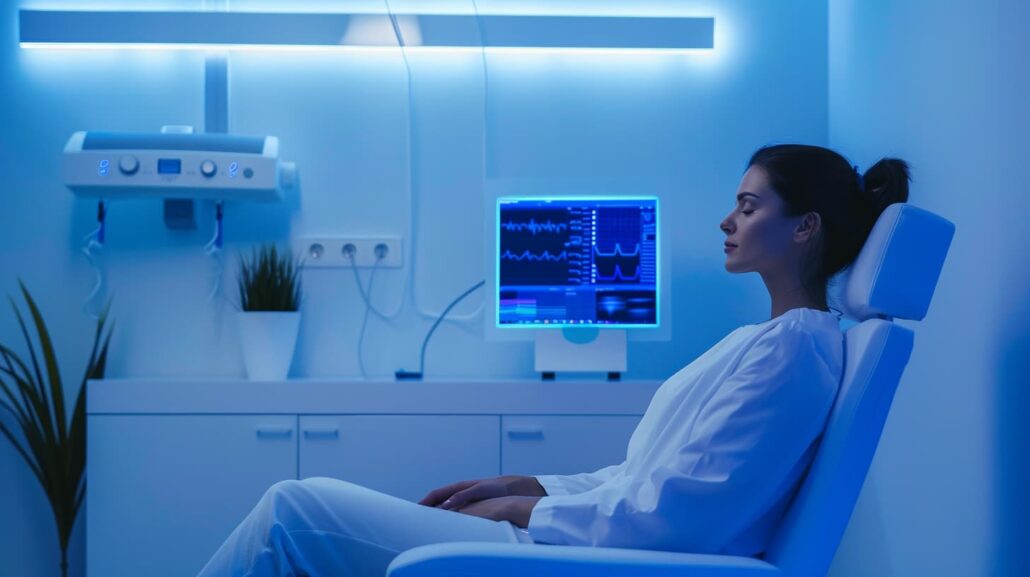
Biofeedback therapy is a simple treatment that helps people learn how their bodies react to stress. It uses small sensors placed on the skin to measure things like heart rate, breathing, and muscle tension. These signals are shown on a screen in real time. This helps a person see what is happening inside their body. Many people do not notice stress until it becomes very strong. Biofeedback helps make stress easy to see and understand. This is helpful for people in recovery from addiction. It teaches the body how to stay calm without using drugs or alcohol. Over time, people learn how to control their stress better. This can help reduce cravings and emotional reactions that may lead to relapse.
The National Institute on Drug Abuse (NIDA) explains that addiction is a brain disease that changes how people think and feel. It also affects stress control and decision-making. Biofeedback therapy helps support recovery by teaching better control of these body and brain responses. When people practice calming skills, they can respond to stress in a healthier way. This makes it easier to stay in recovery. Biofeedback is often used with counseling and other treatments for better results. It is safe, simple, and does not use medication. Many people find it helpful because they can see their progress on the screen. Over time, this builds confidence and stronger emotional control during recovery.
Signs You May Need Biofeedback Therapy for Addiction
Here are simple signs you may need help:
- Strong cravings that feel hard to stop
- Feeling very stressed most days
- Trouble sleeping at night
- Anxiety that feels too strong
- Mood changes that feel fast
- Using substances to feel calm
- Feeling out of control often
If you notice these signs, help may be needed. Biofeedback therapy addiction recovery from these problems in a safe way.
Why Choose We Level Up NJ for Biofeedback Therapy?
We Level Up NJ is a trusted place for biofeedback therapy. It helps people learn how their body reacts to stress and addiction triggers. The care team uses simple tools that show heart rate, breathing, and stress levels on a screen. This helps people understand their bodies in real time. Many people in recovery feel overwhelmed or out of control. This therapy helps them feel calm and steady again. The staff gives clear support and easy steps during each session. Every person gets a care plan made for their needs. This helps make recovery safer and easier to follow. The goal is to help people build strong skills for daily life. These skills can lower stress and support long-term recovery success.
We Level Up NJ also combines biofeedback with other treatments like counseling and mental health care. This is helpful for people with addiction and emotional challenges. The program supports both the mind and body at the same time. This is important because addiction affects both areas. The team is trained to guide each person step by step. They focus on safety, comfort, and progress. People also learn brain training skills to improve focus and control. This helps reduce cravings and relapse risk. The center offers support at every stage of recovery. If someone is ready to make a change, help is available. The care is simple, supportive, and easy to understand for every patient.
Ready to get started? Call (201)389-9370 or email verifyadmissions@welevelup.com today. A better life is waiting for you
Get Help. Get Better. Get Your Life Back.
Searching for Accredited Drug & Alcohol Rehab Centers Near You? Or Mental Health Support?
Even if you have failed previously, relapsed, or are in a difficult crisis, we stand ready to support you. Our trusted behavioral health specialists will not give up on you. Call us when you feel ready or want someone to speak to about therapy alternatives to change your life. Even if we cannot assist you, we will lead you wherever you can get support. There is no obligation. Call our hotline today.
FREE Addiction Hotline – Call 24/7What to Expect During Biofeedback Therapy?
During biofeedback therapy, you will sit in a calm and quiet room. Small sensors are placed on your skin. These sensors do not hurt. They only read simple body signals like heart rate, breathing, and muscle tension. The signals show up on a screen in front of you. This helps you see how your body reacts to stress in real time. Many people are surprised to learn how often their bodies feel tense. This first step helps you become more aware of stress and cravings. It is safe, simple, and easy to follow.
Next, a trained therapist will guide you through easy relaxation steps. You may practice slow breathing, quiet focus, and muscle relaxation. As you do this, you can see your body signals change on the screen. This helps you learn what calm feels like in your body. Over time, you begin to understand how to control stress better. This is very helpful for people in addiction recovery. It teaches skills that can be used outside of therapy, too. These skills can help during cravings, stress, or hard moments in daily life.
As treatment continues, you will get better at calming your body without help from machines. This is called brain training therapy addiction support. It helps you build strong habits for recovery. You may feel more control, better sleep, and less stress over time. The goal is to help you stay calm in real-life situations. This support can lower relapse risk and help long-term healing.
Benefits of Biofeedback Therapy for Addiction
- Helps calm the body during stress
- Reduces cravings over time
- Improves sleep quality
- Supports emotional control
- Helps prevent relapse
Biofeedback therapy benefits addiction recovery by teaching the body how to stay calm. It helps people feel more in control of their actions. It also supports mental health healing.
How to Get Started with Biofeedback Therapy for Addiction
Starting care at We Level Up NJ is simple. First, you meet with a trained team member. They will ask about your health and addiction history. This helps create a safe plan for you.
Next, you may begin biofeedback therapy for addiction sessions. These sessions are calm and guided. You will learn how your body reacts to stress. You will also learn how to stay relaxed.
After that, your plan may include more support, like counseling. This helps you stay strong in recovery. You are never alone in the process. Help is always available when needed.

Get Your Life Back
Find Hope & Recovery. Get Safe Comfortable Detox, Addiction Rehab & Mental Health Dual Diagnosis High-Quality Care at the We Level Up Treatment Centers Network.
Hotline (877) 378-4154FAQs About Biofeedback Therapy for Addiction
1. What is biofeedback therapy for addiction?
Biofeedback therapy for addiction is a treatment that shows how your body reacts to stress. It uses sensors to track heart rate and breathing. This helps people learn how to stay calm. It supports recovery from addiction in a simple way. It is safe and does not use medicine.
2. How does biofeedback therapy addiction recovery work?
It works by showing real-time body signals. People learn what stress feels like in their bodies. Then they practice calming skills. Over time, they gain better control. This helps reduce cravings and relapse risk.
3. What are neurofeedback addiction treatment programs?
Neurofeedback addiction treatment programs help train brain activity. It shows brain waves on a screen. People learn how to improve focus and calm thinking. It is often used with biofeedback therapy. This helps improve recovery results.
4. What is biofeedback therapy for addiction patients?
Biofeedback therapy benefits addiction patients by improving body awareness. It helps reduce stress and anxiety. It also improves sleep and mood. It teaches control over cravings. It supports long-term recovery success.
5. Is brain training therapy addiction effective?
Yes, brain training therapy addiction support can be effective. It helps retrain how the brain reacts to stress. People learn new healthy habits. It works best with therapy and support. It helps reduce relapse risk.
6. Can biofeedback help with mental health, addiction, and anxiety?
Yes, it can help reduce anxiety symptoms. It teaches calming breathing skills. It helps the body relax naturally. It is often used for both addiction and mental health. It supports emotional balance.