Recreational Therapy for Addiction: Healing Through Activity
Recreational therapy for addiction is a strong way to help people get better by doing fun and healthy things. Many people in recovery are stressed, bored, or hurt emotionally. If you don’t deal with these thoughts well, they could lead to relapse. People who go through recreational therapy are able to stay busy, form new habits, and enjoy life without drugs. It lets them safely talk about their feelings and connect with themselves.
This method is easy to use and works well. It helps people get better by engaging in activities like art, exercise, music, and group games. These things make people feel better, less stressed, and more confident. They learn how to enjoy life in a good way over time. It’s important to find the right place for care, and We Level Up NJ provides a safe space for addiction treatment and recreational therapy.
Table of Contents
What Is Recreational Therapy for Addiction?
In order to improve both emotional and physical health, recreational therapy for addiction uses structured activities. These tasks are part of a full rehab program and are led by trained professionals.
The goal is to help people:
- Build healthy routines
- Reduce stress and anxiety.
- Improve social skills
- Find joy without substance use.
The goal of this kind of treatment is to heal the whole person. It helps with both physical and mental healing.
How Recreational Therapy Supports Addiction Recovery
Addiction often takes away structure and purpose. Activity based therapy addiction rehab helps bring these back in a healthy way. People in recovery learn to fill their time with positive activities.
This keeps you from getting tired, which can lead to a relapse. It also makes you feel better and gives you more drive. People feel more involved in their healing when they stay busy. It’s easier to stick to long-term goals when you know this.
Get Help. Get Better. Get Your Life Back.
Searching for Accredited Drug & Alcohol Rehab Centers Near You? Or Mental Health Support?
Even if you have failed previously, relapsed, or are in a difficult crisis, we stand ready to support you. Our trusted behavioral health specialists will not give up on you. Call us when you feel ready or want someone to speak to about therapy alternatives to change your life. Even if we cannot assist you, we will lead you wherever you can get support. There is no obligation. Call our hotline today.
FREE Addiction Hotline – Call 24/7Types of Recreational Therapy Activities
Recreation therapy programs addiction include many types of activities. These are chosen based on each person’s needs and interests.
Some common activities include:
- Art and creative therapy
- Sports and physical fitness
- Music and dance sessions
- Outdoor activities like walking or nature time
These things aren’t just for fun. They are meant to help people heal emotionally and grow.

Benefits of Recreational Therapy in Rehab
There are many recreational therapy addiction recovery benefits that support long-term healing.
Emotional Benefits
Recreational therapy can help you feel better and less stressed. People are calmer and more balanced.
Social Benefits
Group activities help people get to know each other better. This helps people feel less alone and builds trust.
Physical Benefits
Moving and working out are generally good for your health. A healthy mind works with a healthy body.
Mental Benefits
Doing things helps you concentrate and feel more confident. People feel like they can handle problems better.
Recreational Therapy and Mental Health Recovery
Recreational therapy mental health recovery play a key role in treating conditions like anxiety, depression, and trauma. These conditions often come with low energy and negative thinking.
Taking part in activities helps take your mind off bad thoughts. It also gives you a feeling of accomplishment and purpose. People who are mentally better are more likely to stay committed to getting better.
Why Activity-Based Therapy Works
Because it combines movement, creativity, and social contact, therapeutic recreation addiction treatment works. These things help the brain get better and form new habits. This therapy doesn’t just focus on problems; it also looks at good things that have happened.
It helps people find new strengths and hobbies. This method also makes the healing process more fun. This is more likely to happen if people enjoy the process.
What to Expect in Recreational Therapy Programs
Recreation therapy programs are structured but flexible. Along with therapy and medical care, they are part of a full treatment plan. Patients take part in events every day or every week.
These are led by trained staff who make sure everyone is safe and gets help. There are also group meetings in the programs where people can share their experiences and meet new people. This makes a strong network of support.
Why Choose We Level Up NJ
A big part of getting better is picking the right rehab place. Our organization, We Level Up NJ, gives people a safe and organized place to start healing. Every patient gets a unique plan that includes, among other things, leisure therapy for addiction. This makes sure that every part of healing is taken care of.
The center provides many different services, such as detox, PHP, intensive outpatient programs, and inpatient care. This lets people go at their own pace through healing. The team also treats people with more than one condition.
In this case, drug and mental health problems are dealt with at the same time. This method leads to more long-term success. In a calm and friendly setting, patients are helped by pros with a lot of experience. You can also get flexible care through telehealth options.
Ready to get started? Call (201)389-9370 or email verifyadmissions@welevelup.com today. A better life is waiting for you

How Recreational Therapy Fits Into a Full Treatment Plan
When used with other methods, recreational therapy works best. It’s one part of a full method for recovery.
At a rehab center, it is often used alongside:
- Cognitive Behavioral Therapy
- Massage Therapy
- Holistic Therapy
- Trauma-informed care and relapse prevention planning
This mix helps people learn strong ways to deal with problems. It helps with healing both the body and the mind.
Building Healthy Habits for Long-Term Recovery
One of the main goals of leisure therapy for addiction is to help people form habits that will last. People who follow these habits will stay healthy after their treatment is over.
Patients learn how to:
- Stay active
- Manage stress
- Enjoy free time in a healthy way.
These skills make it easier to avoid relapse and maintain progress.
Common Challenges and How Recreational Therapy Helps
Recovery can be hard because of things like boredom, stress, and not wanting to do anything. People can deal with these difficulties in a healthy way thanks to recreational therapy. It gives order and meaning.
It also makes you feel good about what you’ve done. This gives you more confidence and drive. People get stronger and better able to handle their healing over time.
Who Can Benefit from Therapy
Recreational therapy for addiction helps a lot of people. It works well for people who want to get better in a busier and more interesting way. Not only that, but it can also help people with mental health problems. Everyone can do it because the tasks are easy and can be changed up. This therapy is good for anyone who wants to live a better life.
Frequently Asked Questions
What is recreational therapy for addiction?
It’s a treatment that uses exercises to help people get better. It’s good for you and makes you feel less stressed.
What are the recreational therapy addiction recovery benefits?
It improves emotional health, builds social skills, and supports physical wellness.
What happens in recreation therapy programs with addiction?
Patients join guided activities and group sessions. These help build healthy habits.
Can it help improve mental health?
Yes. Recreational therapy mental health recovery helps reduce anxiety and improve mood.
How does activity-based therapy addiction rehab work?
It uses structured activities to build routine and reduce the risk of relapse.
How does We Level Up NJ offer help?
We Level Up NJ provides guided activities, therapy, and full addiction treatment support.
Get Your Life Back
Find Hope & Recovery. Get Safe Comfortable Detox, Addiction Rehab & Mental Health Dual Diagnosis High-Quality Care at the We Level Up Treatment Centers Network.
Hotline (877) 378-4154Take the Next Step Toward Healing
Living with addiction can make you feel empty and stressed. Many people have trouble finding happiness or meaning in their lives without drugs. Recreational therapy for addiction is a fresh way to get better by using movement, art, and social interaction.
You can find a supportive space at We Level Up NJ where recovery feels purposeful and important. You don’t have to go through this process by yourself. Feel free to call (877) 378-4154 and start your healing journey right away if you are ready to find a better and healthier way to live.
Ready to get started? Call (201)389-9370 or email verifyadmissions@welevelup.com today. A better life is waiting for you
Experience Transformative Recovery at the We Level Up Treatment Center.
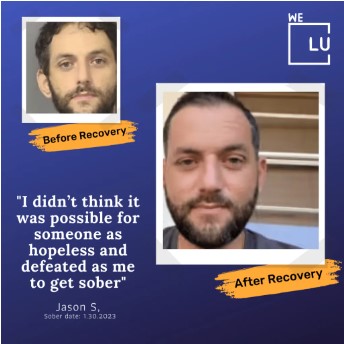
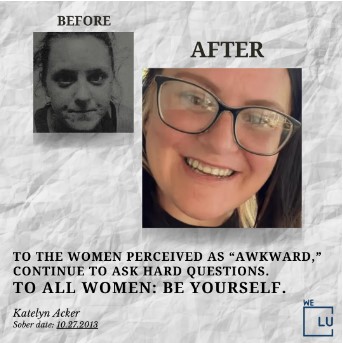
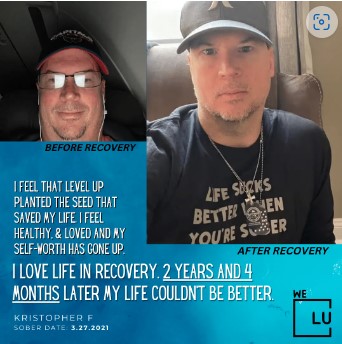
See our authentic success stories. Get inspired. Get the help you deserve.
Start a New Life
Begin with a free call to an addiction & behavioral health treatment advisor. Learn more about our dual-diagnosis programs. The We Level Up treatment center network delivers various recovery programs at each treatment facility. Call to learn more.
- Personalized Care
- Caring Accountable Staff
- Comfortable Amenities
- Licensed & Accredited
- Renowned w/ 5-Star Reviews