
Holistic Addiction Therapy in New Jersey: Recovery
Holistic therapy is a powerful way to heal your whole self during your recovery journey. Many people find that standard medical care is only one part of the healing process today. You need a plan that looks at your mind, your body, and your spirit together. This approach helps you find the root causes of […]
Editor Yamilla Francese
Clinically Reviewed by Lauren Barry, LMFT, MCAP, QS
Medically Reviewed by Ali Nikbakht, PsyD
Updated on May 21, 2026 — Editorial Policy | Research Policy
Holistic therapy is a powerful way to heal your whole self during your recovery journey. Many people find that standard medical care is only one part of the healing process today. You need a plan that looks at your mind, your body, and your spirit together. This approach helps you find the root causes of your struggles and build lasting peace. When addiction takes over your daily life, it is hard to find joy at home. You might feel lost, scared, or alone, but you do not have to fight. Professional help gives you a safe space to focus on getting better and much stronger. We Level Up New Jersey offers the expert care and support you need to recover. Reclaim your happiness today and let our team guide you to a life of wellness.

Table of Contents

Get Your Life Back
Find Hope & Recovery. Get Safe Comfortable Detox, Addiction Rehab & Mental Health Dual Diagnosis High-Quality Care at the We Level Up Treatment Centers Network.
Hotline (877) 378-4154What Is Holistic Therapy?
Holistic therapy is a type of care that treats the whole person, not just symptoms. It uses natural methods like yoga, art, and meditation to help you feel better and stronger. This style of treatment works to balance your physical health with your mental and emotional needs. Our team uses these tools to help you build a life that feels truly complete.
Professional holistic therapy NJ is crucial for your long term health and safety. These issues are very tough to handle alone without the right medical tools and support. A residential behavioral health center has skilled staff who know how to treat these complex issues. Trying to heal without help can lead to major health risks that are dangerous for you.
The National Institute of Mental Health says many adults struggle with various types of mental disorders. Many people need focused care to manage their conditions safely and build a healthy new life. Knowing you are not alone can make it easier to reach out for the help you need. Effective treatment saves lives and helps families heal from the pain of these daily struggles.
Comfortable Facilities & Amenities
High-Quality Addiction & Mental Health Rehabilitation Treatment
Rehab Centers TourRenowned Addiction Centers. Serene Private Facilities. Inpatient rehab programs vary.
Addiction Helpline (877) 378-4154Proven recovery success experience, backed by a Team w/ History of:
15+
Years of Unified Experience
100s
5-Star Reviews Across Our Centers
10K
Recovery Success Stories Across Our Network
- Low Patient to Therapist Ratio
- Onsite Medical Detox Center
- Comprehensive Dual-Diagnosis Treatment
- Complimentary Family & Alumni Programs
- Coaching, Recovery & Personal Development Events
Signs You May Need Holistic Therapy
- Feeling like traditional talk therapy is not enough to help you heal and grow.
- Dealing with high levels of stress and anxiety that affect your daily physical health.
- Having trouble sleeping or feeling rested even when you have a full night’s sleep.
- Feeling a deep sense of being out of touch with your own body and mind.
- Wanting to learn new ways to cope with life without using drugs or alcohol today.
- Experiencing physical pain or tension that is caused by your current mental health struggles.
Looking for integrative therapy programs that treat your spirit as well as your mind.
World-class, Accredited, 5-Star Reviewed, Effective Addiction & Mental Health Programs. Complete Behavioral Health Inpatient Rehab, Detox plus Co-occuring Disorders Therapy.
CALL (877) 378-4154End the Addiction Pain. End the Emotional Rollercoaster. Get Your Life Back. Start Drug, Alcohol & Dual Diagnosis Mental Health Treatment Now. Get Free No-obligation Guidance by Substance Abuse Specialists Who Understand Addiction & Mental Health Recovery & Know How to Help.
The Importance of Professional Care
Getting professional help is vital because these health issues can hurt your body in many ways. Chronic stress or substance use can damage your heart and your brain if it lasts. You might also miss out on the nutrition you need to stay strong and feel. Experts at a treatment center can stop this cycle and keep your body safe.
We provide a safe space where you can focus on the root of the problem. Our team looks at why you struggle and helps you find new ways to handle. You get to work with doctors who understand the science behind your specific health condition. This level of care ensures that every part of your health is being watched closely.
Living with these issues can make you feel very lonely and cut off from friends. Professional care brings you back into a community of people who want to see you succeed. You will learn that you are not the only one facing these tough daily battles. We give you the strength to face your fears and build a better future.
Get Help. Get Better. Get Your Life Back.
Searching for Accredited Drug & Alcohol Rehab Centers Near You? Or Mental Health Support?
Even if you have failed previously, relapsed, or are in a difficult crisis, we stand ready to support you. Our trusted behavioral health specialists will not give up on you. Call us when you feel ready or want someone to speak to about therapy alternatives to change your life. Even if we cannot assist you, we will lead you wherever you can get support. There is no obligation. Call our hotline today.
FREE Addiction Hotline – Call 24/7Why Choose We Level Up New Jersey?
We Level Up New Jersey offers top care made to fit your specific health needs. Our center has a calm and safe vibe to help you focus only on recovery. We have a team of kind experts who treat you with respect during your stay. You can trust our skilled staff to guide you through every part of your journey.
Our facility acts as a residential behavioral health center that treats the whole person, not symptoms. We use proven therapies to help you understand your mind and learn how to manage. Our team works with you to build a plan that fits your life and goals. This personal touch ensures you get the exact holistic addiction treatment needed to grow.
Choosing us means you get 24/7 care from people who truly care about your success. We help you plan for life at home and keep you connected to supportive friends. Our team wants you to succeed and gives you the resources to handle real life. We are here to help you build a life full of hope and free.
Ready to get started? Call (201)389-9370 or email verifyadmissions@welevelup.com today. A better life is waiting for you.
What to Expect During Holistic Therapy
The path starts with a full check-up to see exactly what you need for recovery. Doctors look at your health history to make a safe and effective treatment plan today. This detailed look allows us to create a program that fits your specific emotional needs. You will feel safe knowing we have a plan just for you as you start.
Next, you engage in therapy sessions to learn about your condition and how to heal. You will talk in groups and one-on-one sessions to build new skills for your life. Therapists use methods like behavioral therapy to change the habits that make you feel bad. These talks help you feel good and give you confidence to face the world.
We also teach you how to stay well after you leave our care and return home. You will learn to handle stress and triggers without falling back into old, harmful habits. We connect you with support groups near your home for help when you need it. We make sure you leave our center ready to live a healthy life of joy.
Benefits of Holistic Therapy
- A safe place to heal away from the stress of your normal life.
- Constant care from doctors and nurses day and night for your total safety.
- Therapy to help you understand your mind and your habits much better today.
- Support from others who are going through the same hard things as you.
- Learning tools to handle stress and emotions in very healthy and new ways.
Long-Term Recovery and Aftercare
Recovery does not end when you leave our center; it is a lifelong path of growth. We help you build a solid aftercare plan to keep you on the right track. This plan includes seeing a therapist and joining support groups in your local community area. Staying connected to help is the best way to ensure you stay healthy and strong.
Our team teaches you how to spot the signs of a relapse before it happens. You will have a list of tools to use when you feel stressed or sad. Knowing what to do in hard times gives you the power to stay in control. We want you to feel confident as you step back into your normal daily life.
We also offer alumni programs where you can stay in touch with our caring staff. These programs let you share your success and get help if you ever feel stuck. You are always part of our family, and we are here for you forever. Long-term health is possible when you have a strong team standing right behind you.
Contact We Level Up New Jersey Today
Starting holistic therapy NJ is a brave choice that can save your life and future. You can call our team right now to talk about how we can help. We will check your insurance fast to tell you about the costs and help. Our team is here all day and night to answer questions and guide you.
FAQs About Holistic Therapy
How does holistic therapy differ from traditional clinical therapy models?
Traditional therapy often focuses on talking about your thoughts and your past behaviors with a trained doctor. Holistic therapy adds physical and spiritual activities like yoga and art to the healing process for you. It aims to heal the whole person by addressing the body as well as the mind today. This combined approach gives you more tools to manage your health and find a deep inner peace.
Can I use holistic methods if I am not a spiritual person?
Yes, you do not need to follow any specific faith to benefit from these healthy practices here. Many of our methods, like mindfulness and nutrition, are based on science and physical well-being for you. They help you relax your nervous system and improve your overall health without any religious requirement today. The goal is to find what works best for you and helps you feel more grounded.
What are some examples of the holistic activities you offer?
We offer a variety of activities including yoga sessions, art therapy, and guided meditation for our guests. You might also participate in nutritional counseling to help your body heal from the inside and out. Some programs include outdoor activities or music therapy to help you express your feelings in new ways. These options allow you to explore different ways to find joy and calm in your daily life.
Is holistic therapy as effective as evidence-based medical treatment?
We use holistic methods to support and enhance our evidence-based medical treatments for a full recovery plan. While medicine and talk therapy are vital, holistic tools help you manage stress and cravings more effectively. Many people find that the combination of both leads to a stronger and more lasting recovery today. Our team monitors your progress to ensure you are getting the very best care possible here.
How does nutrition play a role in my recovery at your center?
Drugs and alcohol often hurt your body’s ability to absorb the nutrients it needs to stay healthy. Our nutritional counseling helps you learn how to eat foods that repair your body and boost your mood. Eating the right foods can give you more energy and help you think more clearly every day. This is a key part of healing the physical damage caused by addiction or long-term stress.
Will I have time for these activities during my busy treatment schedule?
We build holistic activities into your daily schedule so that they become a regular part of your care. You will have specific times for yoga, art, or meditation alongside your clinical therapy and medical checks. This structure helps you learn how to make self-care a habit before you return to your home. We believe that these practices are just as important as your other treatments for your success.
Can holistic therapy help me with my physical chronic pain?
Yes, methods like yoga and massage can help reduce the tension that makes physical pain feel much worse. We also teach you mindfulness techniques to help you change how you feel and react to pain daily. This can reduce your need for pain medications that might be risky for your long-term health and safety. Our team works with you to find gentle ways to move and heal your physical body.
What happens if I do not like a specific holistic activity?
We offer many different options because we know that every person has their own unique needs and tastes. If yoga is not for you, you might find that art therapy or meditation works much better today. You are encouraged to try new things, but our team will help you find what feels right. The most important thing is that you feel safe and supported during every part of your stay.
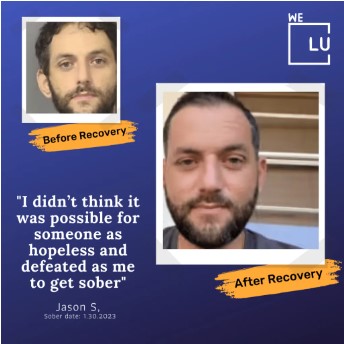
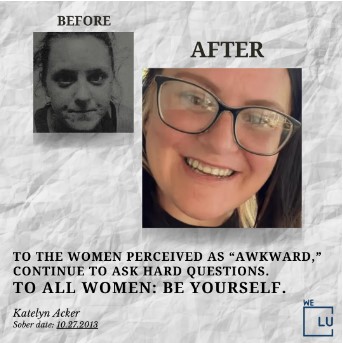
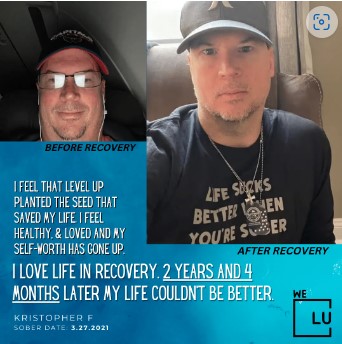
Experience Transformative Recovery at the We Level Up Treatment Center.
See our authentic success stories. Get inspired. Get the help you deserve.
Start a New Life
Begin with a free call to an addiction & behavioral health treatment advisor. Learn more about our dual-diagnosis programs. The We Level Up treatment center network delivers various recovery programs at each treatment facility. Call to learn more.
- Personalized Care
- Caring Accountable Staff
- Comfortable Amenities
- Licensed & Accredited
- Renowned w/ 5-Star Reviews
We’ll Call You
Ready to Get Started?
You do not have to fight the battle of addiction or mental pain alone today. We Level Up New Jersey is here to give you the alternative rehab therapy you need. Our team is ready to guide you to a life of health and peace. We offer a safe and supportive place where you can focus on getting better. We have the tools and the people to help you change your life now. Life can feel very heavy, but you have the power to find your balance again today. You can change your story with the right help and a plan that treats your whole self. We help people just like you break free from pain and find joy in their lives. Do not let fear keep you from making the call that saves your life and future. You deserve to be healthy, and our holistic therapy NJ team is here for you.
Ready to get started? Call (201)389-9370 or email verifyadmissions@welevelup.com today. A better life is waiting for you.
