
Opiate detox is the first step in stopping the use of opiates and starting a new, healthier life. Opiates include drugs like prescription pain medicine and illegal drugs such as heroin. These drugs can help with pain at first, but over time, the body can become used to them. When this happens, it becomes hard to stop without help.
If you or your loved one tries to stop using opiates, the body may react with strong withdrawal symptoms. These symptoms can feel painful and stressful. Many people feel scared about detox, but you are not alone. With the right care and support, opiate detox can be safe and manageable. Recovery is possible, and help is available.
Table of Contents
What Is Opiate Detox?
Opiate detox is the process of safely removing opiates from the body. It is needed when a person has been using these drugs regularly and wants to stop. Over time, opiates change how the brain works and create dependence.
Opiates affect how the brain feels pain and pleasure. When the drug is no longer taken, the body becomes unbalanced. This leads to opiate detox withdrawal symptoms such as body aches, sweating, and anxiety. These symptoms can begin within hours after the last use.
According to U.S. health reports, opioid use continues to be a serious problem. This shows why opioid detox treatment programs are important. Medical care helps manage symptoms and keeps you safe during detox.

Signs You May Need Opiate Detox
It can be hard to see when opiate use becomes a serious issue. The signs may appear slowly and may not feel serious at first. Over time, they can affect your health and daily life.
Here are common signs you may need opiate detox:
- Strong cravings for opiates
- Feeling sick when not using
- Trouble sleeping or resting
- Body pain or muscle aches
- Mood changes such as sadness or anger
- Using more of the drug over time
- Losing interest in daily activities
You may also avoid responsibilities or feel tired most of the time. These signs may point to the need for opiate withdrawal management detox. Getting help early can make detox safer and easier.
Get Help. Get Better. Get Your Life Back.
Searching for Accredited Drug & Alcohol Rehab Centers Near You? Or Mental Health Support?
Even if you have failed previously, relapsed, or are in a difficult crisis, we stand ready to support you. Our trusted behavioral health specialists will not give up on you. Call us when you feel ready or want someone to speak to about therapy alternatives to change your life. Even if we cannot assist you, we will lead you wherever you can get support. There is no obligation. Call our hotline today.
FREE Addiction Hotline – Call 24/7Why Choose We Level Up NJ for Opiate Detox
Choosing the right place for detox is an important step in recovery. At We Level Up NJ, care is focused on your safety, comfort, and support. The team understands how difficult opiate detox withdrawal symptoms can feel. The center offers medical detox, therapy, and mental health care in one place. Doctors and nurses monitor your condition and help manage symptoms. This helps reduce discomfort and keeps you safe during detox.
Each person receives a treatment plan based on their needs. The team also supports families and helps them understand the recovery process. These opiate detox center services help build trust and support long-term recovery.
Ready to get started? Call (201)389-9370 or email verifyadmissions@welevelup.com today. A better life is waiting for you.
What to Expect During Opiate Detox
Starting opiate detox can feel overwhelming, but knowing what to expect can help you feel more prepared. The process is done step by step with care and support.
Medical Assessment and Planning
The first step is a full health check. Doctors review your medical history and your drug use. This helps them create a safe detox plan. Medications may be used to help reduce withdrawal symptoms. This can make detox more comfortable and easier to manage. This step is important in opioid detox treatment programs.
Supervised Detox and Recovery Support
During detox, your body begins to adjust without opiates. You may feel symptoms, but medical staff are there to help. They monitor your health and provide support when needed. After detox, therapy becomes important. You may take part in counseling and group sessions. These help you understand your habits and build healthier ways to cope. This support helps prevent relapse.

Get Your Life Back
Find Hope & Recovery. Get Safe Comfortable Detox, Addiction Rehab & Mental Health Dual Diagnosis High-Quality Care at the We Level Up Treatment Centers Network.
Hotline (877) 378-4154Benefits of Opiate Detox
Opiate detox can bring many positive changes to your life. It helps your body heal and gives you a fresh start.
Here are some key benefits:
- Safe and supervised detox process
- Reduced risk of severe withdrawal symptoms
- Support for mental and emotional health
- Personalized treatment plans
- Better understanding of addiction
- Tools to prevent relapse
These benefits help you feel stronger and more in control. With the right care, recovery becomes possible.

Understanding Opiate Detox Withdrawal Symptoms
Opiate detox withdrawal symptoms can vary from person to person. Some people feel mild symptoms, while others may feel stronger effects. These symptoms usually begin within hours after the last use. Common symptoms include sweating, chills, body aches, nausea, and trouble sleeping. You may also feel anxious or restless. These symptoms can make daily life feel difficult for a short time. With proper care, these symptoms can be managed safely. Medical support helps reduce discomfort and keeps you stable during detox.
Opioid Detox Timeline Symptoms
The opioid detox timeline symptoms can follow a general pattern, but each person’s experience may be different. Knowing this timeline can help you feel more prepared.
Early Stage Symptoms
Early symptoms may begin within 6 to 12 hours after the last use. These include anxiety, restlessness, and sweating. These symptoms may feel mild at first but can become stronger. This is why early medical support is helpful.
Peak and Recovery Stage
Symptoms often become strongest within 1 to 3 days. During this time, you may feel body pain, nausea, and strong cravings. After this stage, symptoms begin to improve slowly. With care and support, your body becomes more stable, and recovery continues.
Emotional Effects of Opiate Detox
Opiate detox affects both the body and the mind. Many people feel anxious, sad, or overwhelmed during this time. These feelings are normal and part of the healing process. You may feel unsure about your future or worried about recovery. These emotions can be strong, but they do not last forever. With support, they become easier to manage.
Long-Term Recovery After Opiate Detox
Detox is only the first step in recovery. After detox, ongoing care is important to help you stay healthy and avoid relapse. Therapy helps you understand your habits and triggers. You learn new ways to handle stress without using drugs. This support helps you stay focused on your recovery goals. Support from family and friends is also important. With a strong support system, you can build a stable and healthy life.
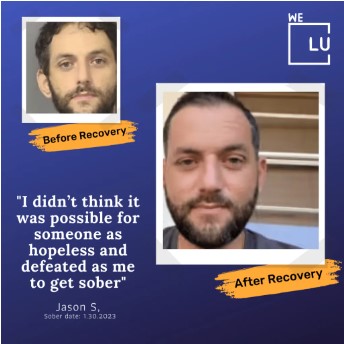
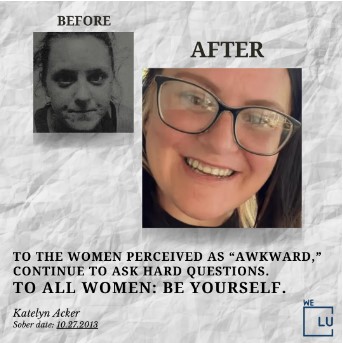
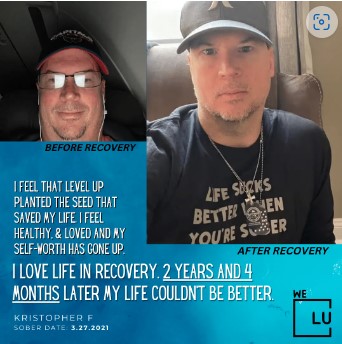
Experience Transformative Recovery at the We Level Up Treatment Center.
See our authentic success stories. Get inspired. Get the help you deserve.
Start a New Life
Begin with a free call to an addiction & behavioral health treatment advisor. Learn more about our dual-diagnosis programs. The We Level Up treatment center network delivers various recovery programs at each treatment facility. Call to learn more.
- Personalized Care
- Caring Accountable Staff
- Comfortable Amenities
- Licensed & Accredited
- Renowned w/ 5-Star Reviews
We’ll Call You
FAQs
What is opiate detox?
Opiate detox is the safe process of removing opiates from the body while managing withdrawal symptoms.
What are opiate detox withdrawal symptoms?
Symptoms include body aches, sweating, nausea, anxiety, and trouble sleeping.
How long does opiate detox take?
It usually lasts several days, but recovery can take longer depending on the person.
Is opiate detox painful?
It can be uncomfortable, but medical care helps reduce symptoms.
What are opioid detox treatment programs?
These programs provide medical care and therapy during detox.
Can I detox from opiates at home?
It is not recommended. Medical supervision is safer.
Take a Step Forward
Opiate detox may feel difficult at first, but it is an important step toward a healthier life. What starts as a way to manage pain can slowly become something the body depends on. When that happens, stopping on your own can feel overwhelming and uncomfortable. The good news is that you do not have to face this alone.
With the right medical care and emotional support, your body can adjust safely, and your mind can begin to heal. Each step you take brings you closer to recovery and a better future. At We Level Up NJ, a caring and experienced team is ready to support you through every stage of detox and recovery. Reach out today and take the first step toward a safer, stronger and more hopeful life.
Ready to get started? Call (201)389-9370 or email verifyadmissions@welevelup.com today. A better life is waiting for you.