Morphine Detox in New Jersey: Medical Withdrawal Support
Morphine Detox: Safe Support for Opioid Withdrawal The opioid morphine is potent. It is used by doctors to treat very bad pain. The body may come to rely on it after a while. It’s the first step for some people. Some people abuse it. When you keep using, stopping can be scary. The signs of […]
Editor Yamilla Francese
Clinically Reviewed by Lauren Barry, LMFT, MCAP, QS
Medically Reviewed by Ali Nikbakht, PsyD
Updated on June 8, 2026 — Editorial Policy | Research Policy
Morphine Detox: Safe Support for Opioid Withdrawal
The opioid morphine is potent. It is used by doctors to treat very bad pain. The body may come to rely on it after a while. It’s the first step for some people. Some people abuse it. When you keep using, stopping can be scary.
The signs of withdrawal may be severe and difficult to handle. That is why you should never go through morphine detox by yourself.
There is professional morphine detox help available in an organized medical setting at We Level Up NJ if you are ready to stop safely.
Table of Contents
What Is Morphine Dependence
The opioid receptors in the brain are where morphine binds. These sensors decide what feels good and what hurts. The drug makes you feel relaxed and lessens pain.
The brain changes when it is used a lot. It starts to depend on morphine to feel normal. Our body is dependent on you. Stopping all of a sudden can cause withdrawal symptoms once dependence has formed.
Even if morphine is taken as directed, it is still possible to become dependent on it. The risk goes up if you use or abuse it for a long time.
Why Morphine Withdrawal Can Be Difficult
The brain does something when morphine leaves the body. The body needs time to get used to working without the drug. Withdrawal symptoms are brought on by this change.
Withdrawal doesn’t usually put your life in danger, but it can be very painful. The fear of going through withdrawal keeps a lot of people from giving up opioids.
This is a big reason why medical morphine withdrawal treatment is so important. Getting professional help with your problems and safety is very important.

Common Morphine Withdrawal Symptoms
Symptoms often start a few hours after the last dose. They might be at their best in a few days. Withdrawal is different for each person.
Common symptoms include:
- Muscle aches
- Sweating
- Nausea and vomiting
- Diarrhea
- Anxiety
- Restlessness
- Insomnia
- Strong cravings
- Runny nose
- Rapid heartbeat
These signs might be very bad. Without help, a lot of people turn back to morphine just to feel better.
Get Your Life Back
Find Hope & Recovery. Get Safe Comfortable Detox, Addiction Rehab & Mental Health Dual Diagnosis High-Quality Care at the We Level Up Treatment Centers Network.
Hotline (877) 378-4154What Happens During Morphine Detox
Morphine detox is all about making sure the body can change safely. A full medical exam is often the first step. Doctors look at a person’s mental health, physical health, and past of drug use.
Symptoms are closely watched in a work setting. Prescription drugs can be used to ease pain. These medicines can help with cravings, nervousness, nausea, and muscle pain.
Regular checks are made on vital signs. Food, water, and mental support are all provided by staff.
Many people detox for a few days to a week. Based on how long they used morphine and how much they took, some people need more time.
Morphine Detox Services NJ: Why Local Care Matters
If you choose morphine detox services at We Level Up NJ, you can get help close to home. Support in the area makes it easy to get treatment again. It helps family members stay close as well.
It’s important that care doesn’t stop. Therapy and care that lasts after detox help keep people from relapsing. Local services make it easier for people to move from inpatient to outpatient or residential care.
It’s not just detox that makes you better. It has to do with making the future safe.
Opioid Detox Care: Medical Supervision Is Essential
Fear, breathing, and brain chemicals are all changed by opioids like morphine. Morphine withdrawal is not usually deadly, but serious dehydration or other problems can happen if you are not watched.
Professional opioid detox care keeps you safe. Medical teams keep an eye out for problems. If signs get worse, they act quickly.
Going through detox in a safe place also lowers the chance of return. Cravings can be very strong at the start of withdrawal. During this vulnerable time, people are safer in a structured setting.
Inpatient Detox Program vs Outpatient Detox
Some people attempt detox at home. This is not recommended for moderate to severe dependence. An inpatient detox program offers 24-hour supervision. It removes outside triggers and access to drugs.
Outpatient detox may work for mild cases. However, it does not provide constant monitoring. Inpatient care offers greater stability, especially for those with long-term opioid use.
The right level of care depends on safety, medical history, and relapse risk.

Comfortable Facilities & Amenities
High-Quality Addiction & Mental Health Rehabilitation Treatment
Rehab Centers TourRenowned Addiction Centers. Serene Private Facilities. Inpatient rehab programs vary.
Addiction Helpline (877) 378-4154Proven recovery success experience, backed by a Team w/ History of:
15+
Years of Unified Experience
100s
5-Star Reviews Across Our Centers
10K
Recovery Success Stories Across Our Network
- Low Patient to Therapist Ratio
- Onsite Medical Detox Center
- Comprehensive Dual-Diagnosis Treatment
- Complimentary Family & Alumni Programs
- Coaching, Recovery & Personal Development Events
The Role of Therapy After Detox
Detox takes care of physical dependence. But it doesn’t treat addiction on its own. Once the morphine detox is over, therapy becomes the main focus.
Therapy helps people figure out why they started using opioids in the first place. It also teaches ways to deal with pain and stress. A lot of people who are addicted to opioids also have problems with trauma, anxiety, or sadness.
Long-term results are better when mental health is treated along with addiction. Commonly used techniques include cognitive behavioral therapy and trauma-informed care. The chance of return goes down with ongoing therapy.
Why Detox Alone Is Not Enough
Many people believe detox is the final step. In reality, detox is only the beginning. The brain needs time to heal from opioid exposure.
Cravings can continue after withdrawal symptoms fade. Emotional triggers can come back out of the blue. Relapse is common if you don’t keep going to treatment. Therapy, planning to avoid relapse, and organized support are all parts of full recovery.
World-class, Accredited, 5-Star Reviewed, Effective Addiction & Mental Health Programs. Complete Behavioral Health Inpatient Rehab, Detox plus Co-occuring Disorders Therapy.
CALL (877) 378-4154End the Addiction Pain. End the Emotional Rollercoaster. Get Your Life Back. Start Drug, Alcohol & Dual Diagnosis Mental Health Treatment Now. Get Free No-obligation Guidance by Substance Abuse Specialists Who Understand Addiction & Mental Health Recovery & Know How to Help.
Why Choose We Level Up NJ for Morphine Detox
Choosing the right center can change your recovery path. We Level Up NJ provides structured morphine detox in a medically supervised setting.
Clients receive full assessments and personalized treatment plans. Medical staff monitors withdrawal symptoms closely. Therapy begins early to support emotional stability.
The team provides both detox and continued addiction treatment. This allows a smooth transition from medical morphine withdrawal treatment into long-term care.
If you need morphine detox services in NJ, We Level Up NJ can protect your health and support lasting recovery.
Ready to get started? Call (201)389-9370 or email verifyadmissions@welevelup.com today. A better life is waiting for you.

How Long Does Morphine Detox Take
Within three to five days, the majority of withdrawal symptoms peak. Some symptoms may last longer. Dosage, duration of use, and general health all affect the timetable.
Some people have post-acute withdrawal symptoms after acute withdrawal is over. These could include low energy, sleep issues, or mood fluctuations. Sustained care aids in symptom management. It takes time to heal. A well-organized program improves stability and comfort.
Risks of Detoxing Alone
Trying detox without medical help raises the risk. Severe diarrhea or vomiting can make you lose water. Stress and hunger can make you relapse.When you start using morphine again after a short break, you are more likely to overdose. During recovery, tolerance goes down. What was once a safe amount can become dangerous. Professional opioid detox care reduces risks and improves safety.
What Happens After an Inpatient Detox Program
Most people who go through an inpatient detox program continue with either residential rehab or outpatient care. The next step is all about therapy and getting better at things.
People learn to deal with cravings and fall back into their old habits. Planning for therapy and support groups helps people get better.
Long-term recovery requires structure, accountability, and support.
FAQs About Morphine Detox
What is morphine detox?
Morphine detox is a medically supervised process that helps the body safely withdraw from morphine while managing symptoms.
What are morphine detox services NJ?
Morphine detox services NJ provide local medical care and structured support for individuals withdrawing from morphine.
What is opioid detox care?
Opioid detox care is professional medical supervision during withdrawal from opioids like morphine to reduce risks and discomfort.
What is medical morphine withdrawal treatment?
Medical morphine withdrawal treatment uses medications and monitoring to manage withdrawal symptoms safely.
What is an inpatient detox program?
An inpatient detox program at We Level Up NJ offers 24-hour medical supervision in a structured setting during withdrawal.
How does We Level Up NJ help with morphine detox?
We Level Up NJ provides morphine detox through medical supervision, therapy support, and structured treatment.
Get Help. Get Better. Get Your Life Back.
Searching for Accredited Drug & Alcohol Rehab Centers Near You? Or Mental Health Support?
Even if you have failed previously, relapsed, or are in a difficult crisis, we stand ready to support you. Our trusted behavioral health specialists will not give up on you. Call us when you feel ready or want someone to speak to about therapy alternatives to change your life. Even if we cannot assist you, we will lead you wherever you can get support. There is no obligation. Call our hotline today.
FREE Addiction Hotline – Call 24/7Take the First Step Toward Safe Morphine Detox
Stopping morphine can feel overwhelming. You may fear withdrawal. You may worry about pain or relapse. You do not have to face this alone.
Morphine detox in a medical setting protects your health and supports your strength during withdrawal. With professional care, your body can stabilize, and your mind can begin to heal.
Call (877) 378-4154 to speak with We Level Up NJ today. This call could be the moment you decide to stay safe, be stable, and have a future without opioid addiction. You can start getting better now.
Ready to get started? Call (201)389-9370 or email verifyadmissions@welevelup.com today. A better life is waiting for you.
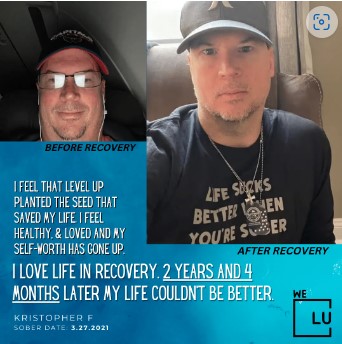
Experience Transformative Recovery at the We Level Up Treatment Center.
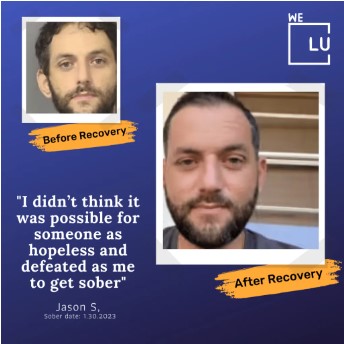
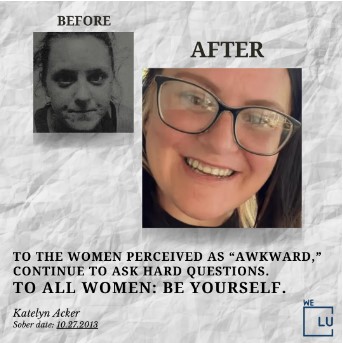
See our authentic success stories. Get inspired. Get the help you deserve.
Start a New Life
Begin with a free call to an addiction & behavioral health treatment advisor. Learn more about our dual-diagnosis programs. The We Level Up treatment center network delivers various recovery programs at each treatment facility. Call to learn more.
- Personalized Care
- Caring Accountable Staff
- Comfortable Amenities
- Licensed & Accredited
- Renowned w/ 5-Star Reviews