Stopping meth can feel very hard and scary. A meth detox program helps people leave meth safely. At We Level Up New Jersey, trained staff watch over every person and help with pain, cravings, sleep problems, and mood changes. You will learn ways to feel calm and safe. The program also teaches skills to handle stress and avoid using meth again. Care is made just for you because everyone is different. You will not be alone. This program gives hope, comfort, and a clear path to recovery. With help, your body and mind can heal. You can start a new life with strength, support, and safety.
Table of Contents
What Is Meth Detox?
Meth detox is a program to help people stop using meth safely. Meth is a strong drug. It changes the brain and body. When you stop using, your body needs time to adjust. This can cause cravings, tiredness, sleep problems, and mood changes. Meth detox programs give medical care to help with these problems. Staff check your heart, blood pressure, and comfort. Detox also helps your mind. You learn ways to stay calm and handle cravings. Each plan is made just for you. Detox is safer with trained staff than trying to quit alone.
Meth detox treatment programs do more than just remove meth from your body. They also help your feelings and mind. Stress, sadness, and anxiety can happen during withdrawal. Programs give counseling and group support. You also learn about triggers that make you want meth. Stimulant detox meth programs help you handle these triggers safely. This makes it easier to stay sober.
A methamphetamine detox center also helps you get ready for the next step. Detox is the first step. After that, you continue with therapy and recovery programs. Meth withdrawal detox treatment keeps you safe and prepares you for long-term recovery. With proper care, detox is easier and safer than quitting on your own. According to the National Institute on Drug Abuse (NIDA), medically supervised detox can reduce risks and improve treatment success.
Signs You May Need Meth Detox
You may need a meth detox if you notice:
- Strong cravings for meth when trying to quit
- Feeling very tired or weak
- Mood swings or sadness
- Trouble sleeping or sleeping too much
- Feeling anxious or restless
- Sudden changes in appetite
- Thinking about using meth to feel normal
Getting help early makes detox safer and easier. Both your body and mind need care.
Why Choose We Level Up New Jersey for the Meth Detox Program?
We Level Up New Jersey is a safe place for meth detox. Our staff is trained to help with stimulant detox meth programs. They know how hard withdrawal can be. Every person gets a plan made just for them. Meth detox treatment programs focus on safety and comfort. We understand that quitting meth can feel scary. That is why we guide you step by step. You are never alone, and our team stays with you through every stage.
Our methamphetamine detox center offers 24-hour medical care. Staff check your heart, blood pressure, and comfort. They give medicine if needed for pain, sleep, or anxiety. Counseling and group therapy are also included. Meth detox inpatient services help you feel safe while getting care. You also learn skills to handle cravings, stress, and triggers.
We also help after detox. Detox alone is not enough. Our programs give tools for staying sober and building healthy routines. Therapy, support groups, and life skills help you stay strong. Our team celebrates every step forward. Aftercare planning is part of your program, so you can continue recovery at home. Family involvement is encouraged to support your success and healing.
Ready to get started? Call (201)389-9370 or email verifyadmissions@welevelup.com today. A better life is waiting for you.
Get Help. Get Better. Get Your Life Back.
Searching for Accredited Drug & Alcohol Rehab Centers Near You? Or Mental Health Support?
Even if you have failed previously, relapsed, or are in a difficult crisis, we stand ready to support you. Our trusted behavioral health specialists will not give up on you. Call us when you feel ready or want someone to speak to about therapy alternatives to change your life. Even if we cannot assist you, we will lead you wherever you can get support. There is no obligation. Call our hotline today.
FREE Addiction Hotline – Call 24/7What to Expect During Meth Detox?
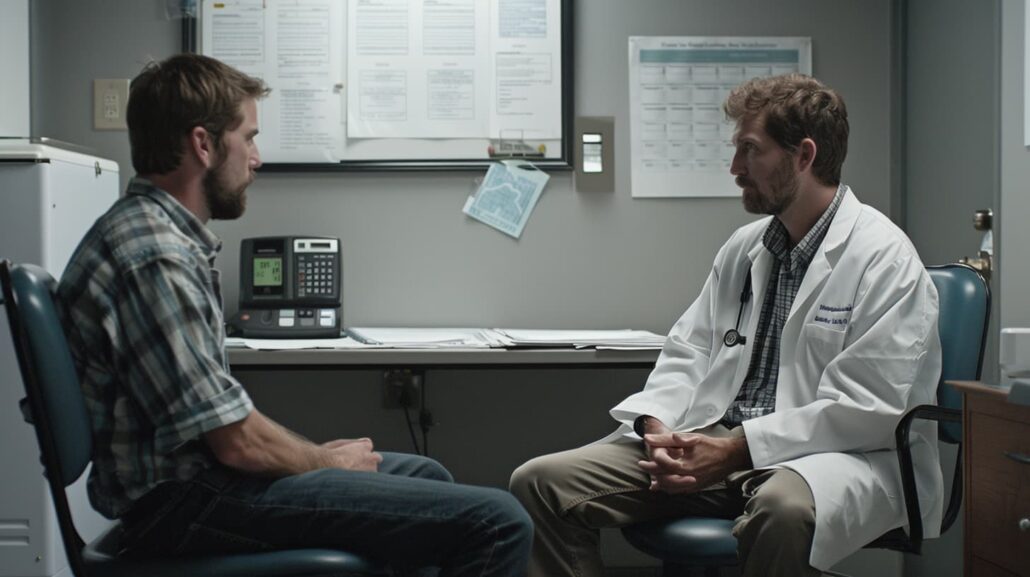
When you start, you have an assessment. Staff talks with you about your health, meth use, and symptoms. This helps make a safe plan. You are treated with care and respect.
Next, you get medical monitoring. Staff check your heart rate, blood pressure, and comfort. They may give medicine to help with pain, sleep, or anxiety. Stimulant detox meth programs make withdrawal safer and easier.
Therapy and counseling are part of the program. You talk about triggers, cravings, and feelings. You learn ways to handle stress and stay sober. Meth detox inpatient services give support for your mind and body. After detox, you make a plan for life after the program. This may include therapy, support groups, and mental health care. Ongoing support helps you stay sober and healthy.
Benefits of Meth Detox
- Safe, supervised care for withdrawal
- Relief from meth withdrawal detox treatment symptoms
- Emotional support during early recovery
- Tools to handle cravings and mood changes
- Access to meth detox inpatient services
- Education about long-term recovery
These benefits help your body and mind heal. You don’t have to go through withdrawal alone.
How to Get Started?
Ready to get started? Meth detox is your first step to a safer future. Call We Level Up New Jersey at (201) 389-9370. Ask about insurance, programs, and appointments. You can also email verifyadmissions@welevelup.com.
Our team will guide you through intake and insurance verification. You will feel safe and supported from your first call. Detox is the first step toward a new life free from meth.
Ready to get started? Call (201)389-9370 or email verifyadmissions@welevelup.com today. A better life is waiting for you.
Get Your Life Back
Find Hope & Recovery. Get Safe Comfortable Detox, Addiction Rehab & Mental Health Dual Diagnosis High-Quality Care at the We Level Up Treatment Centers Network.
Hotline (877) 378-4154FAQs About Meth Detox
What is meth detox?
Meth detox is a supervised program that helps your body and mind adjust after stopping meth safely. Staff watch your health and help with cravings and mood changes. You learn ways to stay calm and handle stress. Detox makes quitting meth safer than trying alone.
How long does a meth detox last?
Detox usually lasts 5–10 days. Some symptoms, like tiredness or cravings, may continue for weeks. Medical care makes the process safer. Staff check your heart, sleep, and comfort every day.
What are common meth withdrawal symptoms?
Symptoms include tiredness, mood swings, sleep problems, cravings, anxiety, and appetite changes. You may feel restless or sad. Programs teach ways to cope with these symptoms safely.
What is included in meth detox inpatient services?
Inpatient services give 24/7 medical care, counseling, group therapy, and relapse prevention support. You also learn life skills to stay sober. Staff guides you every step of the way.
Can meth detox programs help mental health?
Yes. Programs treat anxiety, depression, and trauma alongside withdrawal for better recovery. Caring for both mind and body improves long-term results. Therapy and support groups are part of this care.
Is meth detox painful?
Withdrawal can feel uncomfortable, but medical staff and counseling can reduce pain and stress. You get support for aches, sleep problems, and mood swings. You are never alone.
Will insurance cover meth detox?
Many plans cover meth detox. Call We Level Up New Jersey to check coverage. Staff can explain the benefits and help with paperwork to make it easier for you.
What happens after meth detox?
After detox, clients continue therapy, support groups, and outpatient care to stay sober. Plans are made to help you manage triggers, build healthy routines, and stay connected to care. Family support is encouraged to help long-term recovery.