Gender specific therapy addiction aids in recovery in a way that is tailored to the individual. It’s not the same for everyone who is addicted. A lot of the time, men and women deal with emotional problems, worry, and social pressure in different ways. These differences can affect how people start using drugs and how they keep using them.
If these needs aren’t met by care, recovery can feel harder and work less well. A more focused method can help people feel like they are being heard and helped. Many people find that gender-specific addiction treatment at We Level Up NJ is a safe place to start getting better.
Recovery is more than just giving up drugs. It’s also about being understood and heard. Many people have emotional pain from past events, relationships, or worry. Men and women often have these experiences in different ways.
These feelings can slow down healing and cause relapse if you don’t get the right help. Results can be better with an organized program that takes these differences into account. People are more likely to open up and stay in care if they feel safe.
Table of Contents
What Is Gender Specific Therapy Addiction?
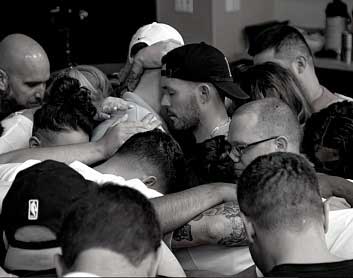
Gender specific therapy addiction is a form of therapy that alters how patients are treated based on their gender. It’s mostly about how addiction affects men and women in various ways. That makes it easier for people to talk about their issues.
Men and women experience many different mental health issues. Women may be in pain, have family issues, or have issues in their relationships. Men might think they have to hide how they feel or not ask for help. These habits can change how people become addicted and how well they get better.
Programs that use gender based addiction treatment bring these differences to light. What you do makes the treatments work better. In order to avoid mental and emotional health issues, it is important to get help from a professional. A personalized way helps people get better faster and makes them feel supported.

Signs You May Need Gender Specific Therapy Addiction
This kind of care helps some people more than others. This could be what you need if regular classes make you feel awkward or alone.
- Feeling uneasy in mixed therapy groups
- Difficulty talking about emotions
- Past trauma or relationship issues
- Repeated relapse after treatment
- Strong emotional triggers
- Feeling misunderstood in therapy
- Pressure linked to gender roles
With these signs, you may be able to speed up your healing by being more focused.
Get Help. Get Better. Get Your Life Back.
Searching for Accredited Drug & Alcohol Rehab Centers Near You? Or Mental Health Support?
Even if you have failed previously, relapsed, or are in a difficult crisis, we stand ready to support you. Our trusted behavioral health specialists will not give up on you. Call us when you feel ready or want someone to speak to about therapy alternatives to change your life. Even if we cannot assist you, we will lead you wherever you can get support. There is no obligation. Call our hotline today.
FREE Addiction Hotline – Call 24/7Why Choose We Level Up NJ for Gender Specific Therapy Addiction
We Level Up NJ has an organized and helpful recovery program. The main goal is to help addiction and mental health at the same time. Dual diagnosis treatment helps people get better in a whole and healthy way.
A unique treatment plan is made for each person. This ensures that the care they receive aligns with their goals and preferences. The center helps with detox placement, therapy, relapse prevention, and aftercare planning. All of these services work together to help people get better over time.
The team is made up of licensed pros who oversee the whole treatment process. We offer counseling, medical care, and emotional assistance. People feel safer and more open during treatment thanks to programs that include gender specific addiction therapy programs. This method helps people trust each other, which is a key part of getting better
Ready to get started? Call (201)389-9370 or email verifyadmissions@welevelup.com today. A better life is waiting for you
What to Expect During Gender Specific Therapy Addiction
The first step in healing is a full check-up. This helps the people who are taking care of you know about your past, your issues, and your goals. After that, a special plan is made. Getting help can be done by one person or by a group. When people are grouped by gender, they are more likely to share. This helps people get along better and feel less scared.
A big part of treatment is getting help and learning how to deal with issues. The clients learn how to deal with stress and triggers in a healthy way. You are less likely to come back because of this. When participating in programs that use tailored addiction therapy gender approaches, patients feel more confident in their ability to heal.
Benefits of Gender Specific Therapy Addiction
This approach offers several important benefits that support long-term recovery:
- Creates a safe and supportive environment
- Encourages honest communication
- Addresses gender-specific challenges
- Supports mental health and addiction recovery
- Builds strong coping skills
- Improves long-term recovery success
Many people discover that gender specific rehab benefits include improved mental comprehension and increased treatment commitment.

Get Your Life Back
Find Hope & Recovery. Get Safe Comfortable Detox, Addiction Rehab & Mental Health Dual Diagnosis High-Quality Care at the We Level Up Treatment Centers Network.
Hotline (877) 378-4154Understanding Gender Differences in Addiction
Men and women react to addiction in different ways. Stress, emotional causes, and the roles that people play in their lives can all lead to drug use. As you get better, it’s important to remember these things. For women, PTSD, family pressure, and mental worry can all make things worse. They might use drugs to deal with pain or relationships.
Men might think they need to be tough and hide how they really feel. If they do this, it might be harder for them to ask for help. Programs that focus on Men Women Addiction Treatment Differences provide more expert care. Recovery works better and has more value when treatment is tailored to each person’s needs.
The Role of Emotional Safety in Recovery
Being emotionally safe is a big part of getting better. People may not say what they want to say in therapy if they feel judged or uncomfortable. This could slow growth and make it harder to improve. Gender-specific treatment helps people feel like they are being understood.
This allows them to share openly without fear. Over time, this builds trust and confidence. Programs that use gender based addiction treatment focus on creating this safe space. This helps people work through difficult emotions and move forward in recovery.
Building Stronger Relationships During Recovery
Recovery is not only about the individual. It also changes how you interact with family, friends, and people you love. During their time of addiction, many people experience difficulties with communication, trust, and mental connection.
Therapy that is tailored to a person’s gender helps them understand how their experiences affect interactions. It shows easy ways to talk to each other clearly and deal with disagreements. Over time, this helps build trust again.
People can have better relationships when they feel mentally stable. The help you get from this group is very important for your long-term healing.
Long-Term Recovery and Support
That’s not the end of it when treatment is over. As you go along, you need to keep getting help and making good habits. A strong foundation for the future can be built with programs that are made for both men and women.
People get help learning how to handle stress, stick to their plans, and avoid things that make them feel bad. You get better at these skills over time. Now you can stay on track better.
Our treatment center also helps people figure out what they will do after they finish treatment. People keep getting better with this even after their treatment is over. Addiction therapy programs for men and women focus on long-term changes instead of quick fixes.
FAQs About Gender Specific Therapy Addiction
What is gender specific therapy addiction?
It is a way of treating people that changes care based on gender to make people feel more comfortable and safe and to help them heal.
How does gender specific therapy help recovery?
Gender specific therapy for addiction improves emotional link and long-term recovery success by making people feel understood and supported.
Who benefits from gender specific therapy?
People with trauma, emotional struggles, or discomfort in mixed groups benefit from gender specific addiction therapy programs.
What is gender based addiction treatment?
It is a focused method that addresses emotional needs and personal situations to help people improve.
How does We Level Up NJ offer help with gender specific therapy addiction?
We Level Up NJ provides therapy, dual diagnosis care, and relapse prevention in a safe, structured environment. We also provide gender specific treatment programs.
What are gender specific rehab benefits?
Gender specific rehab benefits include improved communication, emotional safety, and stronger long-term recovery support.
How to Get Started with Gender Specific Therapy Addiction
Addiction can make people feel alone, not understood, and too much to handle. A lot of people find it hard to talk about their thoughts or get the help they need. These problems can slow down healing if you don’t get the right care. The main goal of treatment at We Level Up NJ is to provide you with a safe and supportive place to heal.
As you get better, programs such as therapy, dual-illness care, and relapse prevention can help. Call (877) 378-4154 or check with your insurance company to learn your options and take the first step toward recovery if you or someone you care about needs help.
Ready to get started? Call (201)389-9370 or email verifyadmissions@welevelup.com today. A better life is waiting for you