
Gabapentin and Alcohol: Risks and Safety Concerns
Gabapentin is widely prescribed in the U.S. for various medical conditions, but when combined with alcohol, it can create a dangerous and potentially life-threatening mix that many people are unaware of. At We Level Up NJ, we’ve seen firsthand how gabapentin and alcohol misuse can disrupt lives. Mixing gabapentin with alcohol, whether prescribed or misused, […]
Editor Yamilla Francese
Clinically Reviewed by Lauren Barry, LMFT, MCAP, QS
Medically Reviewed by Ali Nikbakht, PsyD
Updated on May 21, 2026 — Editorial Policy | Research Policy
Gabapentin is widely prescribed in the U.S. for various medical conditions, but when combined with alcohol, it can create a dangerous and potentially life-threatening mix that many people are unaware of.
At We Level Up NJ, we’ve seen firsthand how gabapentin and alcohol misuse can disrupt lives. Mixing gabapentin with alcohol, whether prescribed or misused, is dangerous and requires an understanding of the risks. Knowing when to seek help could make all the difference.
What Is Gabapentin? Understanding Its Uses and Effects
Gabapentin, commonly sold under brand names like Neurontin, is an anticonvulsant medication. It works by calming overactive nerve signals in the brain, essentially reducing pain and electrical activity.
Originally developed to treat epilepsy, gabapentin is now used to manage a variety of conditions:
- Seizure disorders and epilepsy management
- Nerve pain, particularly from shingles or diabetic neuropathy
- Restless leg syndrome
- Certain types of anxiety disorders (off-label use)
- Alcohol withdrawal symptoms (off-label use)
When used as directed, gabapentin typically causes side effects like:
- Drowsiness or fatigue
- Dizziness
- Mild coordination problems
- Blurred vision
- Swelling in extremities
In 2016, gabapentin became the 10th most commonly prescribed medication in the United States, with 64 million prescriptions dispensed—an increase of 64% from 39 million prescriptions in 2012.
From 2012 to 2016, gabapentin prescriptions in the U.S. increased by 64%, rising from 39 million to 64 million, making it the 10th most prescribed medication in 2016. This widespread use highlights the importance of understanding its interactions with substances like alcohol.
The Dangerous Mix: Risks of Combining Gabapentin and Alcohol
Mixing gabapentin with alcohol can be dangerous because both substances can have sedative effects, slowing down brain activity and bodily functions. When taken together, their effects don’t simply add up — they amplify each other, creating what medical professionals call a “synergistic effect.”
Therefore, combining gabapentin and alcohol may lead to an amplification of each substance’s side effects, which can include:
- Extreme sedation and drowsiness: Making even simple tasks like driving potentially life-threatening.
- Severely impaired coordination and balance: Increasing fall risk, especially in older adults.
- Respiratory depression: Slowing or shallow breathing, which can be dangerously risky.
- Increased risk of overdose: Lowering the threshold for life-threatening symptoms.
- Memory blackouts and confusion: Leading to poor decision-making and increased vulnerability.
The 2023 DAWN National Estimates report reveals a nearly 30% increase in emergency department visits involving anticonvulsants from 2022 to 2023. Alcohol was found to be one of the top three substances most commonly present in polysubstance cases.
Many people inadvertently combine these substances, often unaware of the risks or forgetting they’ve already taken their medication before drinking. Others may intentionally mix them in an attempt to enhance the effects, especially those dealing with substance use disorders.

Skip to:
Learn more:
- Is Gabapentin a Narcotic or a Controlled Substance?
- Gabapentin Withdrawal Timeline
- Is Gabapentin Addictive?
- Gabapentin Ruined My Life, Addiction Signs, Withdrawal Effects
- How Long Does Gabapentin Last? Risks and Effects of Gabapentin Abuse
- Gabapentin Detox, Snorting Gabapentin Symptoms and Withdrawal
- Mixing Prescription Drugs with Alcohol
- Alcohol Detox
- Early Signs of Alcoholism
- Prescription Drug Addiction, Types, Symptoms, and Causes
Gabapentin’s Complicated Role in Alcohol Withdrawal
Paradoxically, combining gabapentin and alcohol is dangerous, yet gabapentin is sometimes prescribed to manage alcohol withdrawal symptoms. This apparent contradiction highlights the importance of professional medical supervision.
When used under proper medical care, gabapentin can be effective effective in managing alcohol withdrawal by:
- Reducing the severity of withdrawal symptoms
- Decreasing cravings for alcohol
- Alleviating anxiety and insomnia during withdrawal
However, therapeutic use requires careful dosing and monitoring by healthcare professionals, as self-medicating with gabapentin during alcohol withdrawal can be highly risky.
Research funded by the National Institute on Alcohol Abuse and Alcoholism suggests that gabapentin may be especially effective in helping individuals with alcohol use disorder maintain abstinence, particularly those experiencing severe withdrawal symptoms.
Get Your Life Back
Find Hope & Recovery. Get Safe Comfortable Detox, Addiction Rehab & Mental Health Dual Diagnosis High-Quality Care at the We Level Up Treatment Centers Network.
Hotline (877) 378-4154Recognizing When Help Is Needed
Identifying problematic use of gabapentin and alcohol, whether separately or in combination, is crucial for obtaining appropriate help. Warning signs include:
- Taking higher doses of gabapentin than prescribed.
- Using gabapentin without a prescription.
- Continuing to drink alcohol despite warnings from healthcare providers.
- Experiencing significant impairment or negative consequences (e.g., blackouts, accidents) after combining substances.
- Feeling unable to stop using either substance despite negative consequences.
- Experiencing withdrawal symptoms when attempting to stop.
If you notice these patterns in yourself or someone you care about, it’s important to seek professional help. The risks of continuing this combination far outweigh any perceived benefits.
Gabapentin and Alcohol Statistics
Prevalence of gabapentin misuse in the general population is reported to be 1%, 40– 65% among individuals with prescriptions, and between 15–22% within populations of people who abuse opioids. An array of subjective experiences reminiscent of opioids, benzodiazepines, and psychedelics were reported over various doses, including those within clinical recommendations.
Gabapentin was primarily misused for recreational purposes, self-medication, or intentional self-harm and was misused alone or in combination with other substances, especially opioids, benzodiazepines, and alcohol. Individuals with histories of drug abuse were most often involved in its misuse.
8%
Neuropathic pain affects up to 8% of the population, causing significant distress and morbidity. Gabapentin is one of the recommended mainstays of evidence-based treatment.
Source: NCBI
1%
The prevalence of gabapentin abuse in the general population is reported to be 1%.
Source: SAMHSA
65%
40–65% among individuals with prescriptions and between 15–22% within populations of people who abuse opioids also abuse gabapentin.
Source: SAMHSA
Comfortable Facilities & Amenities
High-Quality Addiction & Mental Health Rehabilitation Treatment
Rehab Centers TourRenowned Addiction Centers. Serene Private Facilities. Inpatient rehab programs vary.
Addiction Helpline (877) 378-4154Proven recovery success experience, backed by a Team w/ History of:
15+
Years of Unified Experience
100s
5-Star Reviews Across Our Centers
10K
Recovery Success Stories Across Our Network
- Low Patient to Therapist Ratio
- Onsite Medical Detox Center
- Comprehensive Dual-Diagnosis Treatment
- Complimentary Family & Alumni Programs
- Coaching, Recovery & Personal Development Events
We Level Up NJ’s Specialized Treatment Approach
At We Level Up New Jersey, we understand that recovering from gabapentin and alcohol misuse goes beyond detoxification; it requires a comprehensive approach that addresses both the physical and psychological aspects of dependence.
Our treatment center offers a full spectrum of care designed to meet you exactly where you are in your recovery process:
- Medically Supervised Detoxification: Safely managing withdrawal symptoms with 24/7 medical oversight.
- Dual Diagnosis Treatment: Addressing co-occurring mental health conditions that may contribute to substance use.
- Inpatient Rehabilitation: Providing a structured, supportive environment for early recovery.
- Family Therapy: Healing relationships damaged by substance use.
- Aftercare Planning: Ensuring long-term success through ongoing support.
What sets We Level Up NJ apart is our individualized approach. We recognize that each person’s relationship with gabapentin and alcohol is unique, shaped by personal history, genetic factors, and environmental circumstances.

The Detoxification Process: Your First Step to Recovery
For those dependent on both gabapentin and alcohol, detoxification is a crucial first step that should never be attempted without medical supervision.
At We Level Up NJ, our detox program includes:
- Comprehensive Medical Assessment: Identifying all substances involved and evaluating overall health.
- Personalized Detox Protocols: Tailored to your specific needs and medical history.
- Medication-Assisted Treatment: Administering appropriate medications to manage. withdrawal symptoms.
- Constant Monitoring: Ensuring safety and comfort throughout the detox process.
- Nutritional support: Rebuilding physical health compromised by substance use.
The detox process typically lasts 5-10 days, depending on individual factors including factors, such as:
- The length and severity of substance use
- Overall health status
- Co-occurring conditions
- Previous withdrawal experiences
According to SAMHSA (Substance Abuse and Mental Health Services Administration), medically supervised detox significantly lowers the risk of complications during withdrawal from substances like alcohol and gabapentin.
World-class, Accredited, 5-Star Reviewed, Effective Addiction & Mental Health Programs. Complete Behavioral Health Inpatient Rehab, Detox plus Co-occuring Disorders Therapy.
CALL (877) 378-4154End the Addiction Pain. End the Emotional Rollercoaster. Get Your Life Back. Start Drug, Alcohol & Dual Diagnosis Mental Health Treatment Now. Get Free No-obligation Guidance by Substance Abuse Specialists Who Understand Addiction & Mental Health Recovery & Know How to Help.
Comprehensive Treatment Options at We Level Up NJ
Following detoxification, We Level Up NJ provides evidence-based treatment modalities designed to address the underlying causes of substance use and support long-term recovery:
- Cognitive Behavioral Therapy (CBT): Assisting individuals in recognizing and changing negative thought patterns.
- Dialectical Behavior Therapy (DBT): Facilitating the development of healthy coping strategies for emotion regulation.
- Motivational Enhancement Therapy (MET): Strengthening motivation and commitment to sobriety.
- Group Therapy: Building a sense of community and mutual support.
- Individual Counseling: Addressing personal triggers and challenges in a one-on-one setting.
- Mindfulness Practices: Cultivating awareness and focus in the present moment.
- Stress Management Techniques: Developing healthier ways to cope with life’s challenges.
- Physical Wellness Activities: Restoring strength and vitality.
- Nutritional Counseling: Supporting recovery with balanced, nourishing meals.
- Sleep Hygiene Education: Helping to reestablish restful, restorative sleep patterns, often disrupted by substance use.
At We Level Up NJ, we provide a healing environment where recovery can unfold naturally with comfortable accommodations, nutritious meals, and thoughtfully designed spaces for reflection and connection.
Medication Management During Recovery
For individuals who were prescribed gabapentin for legitimate medical conditions, medication management is a key part of treatment. Our medical team works closely with each patient to:

- Evaluate the original need for gabapentin.
- Determine whether continued use is appropriate.
- Explore alternative treatments for the underlying condition.
- Develop a safe and sustainable medication plan to support long-term recovery.
In some cases, continuing gabapentin under close medical supervision may be the best approach, with a focus on eliminating alcohol. In others, alternative medications or non-pharmaceutical treatments may be more suitable.
Finding the right balance is crucial. We strive to effectively treat underlying conditions and minimize risks for someone with a history of substance misuse.
What to Expect: Your Treatment Journey
Understanding the treatment process can help ease anxiety about seeking help. At We Level Up NJ, your recovery journey typically includes the following steps:
- Initial Assessment: A comprehensive evaluation of your medical history, substance use patterns, and mental health.
- Personalized Treatment: Developing tailored goals and strategies specific to your needs.
- Detoxification: Safely managing withdrawal symptoms under medical supervision.
- Core Treatment Program: Engaging in therapies and activities designed to build essential recovery skills.
- Discharge Planning: Creating a structured plan for continued success beyond our facility.
- Aftercare Support: Connecting you with ongoing resources to reinforce sustained recovery.
Throughout this process, you’ll work with a dedicated team of professionals including doctors, nurses, therapists, and recovery specialists who are committed to your success.
Why Professional Care Matters
Attempting to stop using gabapentin and alcohol without professional help can be dangerous and even life-threatening.
Alcohol withdrawal may lead to:
- Seizures
- Delirium tremens (DTs)
- Anxiety or nervousness
- Dangerous fluctuations in heart rate and blood pressure
Similarly, abruptly stopping gabapentin can cause:
- Rebound seizures (even in people without epilepsy)
- Severe anxiety and insomnia
- Tachycardia and hypertension
- Confusion and disorientation
Professional treatment provides a safer withdrawal process while addressing the underlying factors driving substance use and laying the foundation for lasting recovery.
Get Help. Get Better. Get Your Life Back.
Searching for Accredited Drug & Alcohol Rehab Centers Near You? Or Mental Health Support?
Even if you have failed previously, relapsed, or are in a difficult crisis, we stand ready to support you. Our trusted behavioral health specialists will not give up on you. Call us when you feel ready or want someone to speak to about therapy alternatives to change your life. Even if we cannot assist you, we will lead you wherever you can get support. There is no obligation. Call our hotline today.
FREE Addiction Hotline – Call 24/7The We Level Up NJ Advantage
Choosing the right treatment center can significantly impact your recovery journey. We Level Up New Jersey offers distinct advantages:
- Specialized expertise: Our clinical team has in-depth experience with polysubstance issues involving prescription medications and alcohol.
- Accredited programs: We meet the highest standards in addiction treatment.
- Comprehensive care: We focus on your physical, mental, and emotional health, treating the whole person.
- Modern facilities: Our comfortable, healing environment is designed to support your recovery process.
- Insurance acceptance: We collaborate with most major insurance providers to help you maximize your coverage.
- Community connections: We have strong ties with local recovery resources for ongoing support.
According to the Surgeon General’s Report on Alcohol, Drugs, and Health, staying in treatment for an adequate duration is essential for successful recovery. Our programs are designed to provide the right care for the right amount of time, typically recommending at least 30 days of inpatient treatment, followed by appropriate outpatient care.
Take Action: Your Recovery Begins Today
If you or a loved one is struggling with gabapentin and alcohol use, help is available in New Jersey. At We Level Up NJ, we have guided countless individuals toward lasting recovery and renewed independence.
Recovery is about stopping substance use, but also about rebuilding your life with purpose and stability. Our comprehensive approach addresses the whole person, not just the addiction.
Don’t wait for a crisis to take action. Contact We Level Up NJ today at 877-378-4154 to speak with our compassionate admissions team. We’re available 24/7 to answer your questions, verify your insurance, and guide you through the admissions process.
Your new beginning to healing starts with a single call. Reach out now, we’re here to help you level up your life.
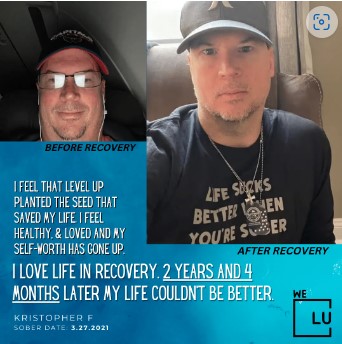
How to Navigate Life. “I was a Slave to Alcohol & Drug Addiction for 17 Years.” Recovery is Great!
Recovery from gabapentin and alcohol abuse is feasible and achievable with the proper support and resources. Seeking professional help, such as counseling or a rehabilitation program, is crucial for developing coping mechanisms and addressing the root causes of the abuse. Engaging in a comprehensive treatment plan that may include therapy, support groups, and medical supervision to manage withdrawal symptoms is essential. Individuals can successfully navigate recovery and regain control over their health and well-being with dedication, a solid support system, and a commitment to lifestyle changes.
Ready to get started? Call (201)389-9370 or email verifyadmissions@welevelup.com today. A better life is waiting for you.
Do you have questions about gabapentin and alcohol or treatment in general? Call our helpline 24/7.
Frequently Asked Questions
Do you have to pay for alcohol and gabapentin dual diagnosis treatment in NJ?
Although treatment costs are involved, many insurance plans cover addiction and polysubstance abuse treatment. At We Level Up NJ, we partner with most major insurance companies to ensure you get the most out of your benefits.
For any remaining costs, we offer flexible payment options. Our admissions team is available to verify your insurance and provide a clear breakdown of all financial details before treatment starts.
How long does alcohol and gabapentin dual diagnosis treatment last in New Jersey?
The duration of treatment varies based on individual needs. In general, an inpatient recovery program typically includes 5-10 days of detoxification followed by 28-90 days of rehabilitation. Many patients continue with outpatient care after completing inpatient treatment.
At We Level Up NJ, we develop personalized treatment plans based on your specific situation, substance use history, and recovery goals.
Where in New Jersey can you find alcohol and gabapentin dual diagnosis addiction rehab?
We Level Up NJ provides specialized polysubstance abuse treatment for individuals struggling with alcohol and gabapentin dependence. Our facility offers comprehensive care, including detoxification, inpatient rehabilitation, and outpatient services.
Located in a comfortable, easily accessible setting, we serve residents throughout New Jersey and neighboring states. Contact our admissions team to learn more about our location and transportation options.
Experience Transformative Recovery at the We Level Up Treatment Center.
See our authentic success stories. Get inspired. Get the help you deserve.
Start a New Life
Begin with a free call to an addiction & behavioral health treatment advisor. Learn more about our dual-diagnosis programs. The We Level Up treatment center network delivers various recovery programs at each treatment facility. Call to learn more.
- Personalized Care
- Caring Accountable Staff
- Comfortable Amenities
- Licensed & Accredited
- Renowned w/ 5-Star Reviews