
DBT Therapy for Mental Health Recovery in New Jersey
DBT Therapy for Mental Health Recovery DBT therapy is a type of treatment that helps people handle strong feelings and stress. It teaches skills to stay calm, focus, and make better choices. Many people use DBT for problems like anxiety, depression, or trouble with anger. DBT therapy helps people understand their emotions and reactions. It […]
Editor Yamilla Francese
Clinically Reviewed by Lauren Barry, LMFT, MCAP, QS
Medically Reviewed by Ali Nikbakht, PsyD
Updated on May 1, 2026 — Editorial Policy | Research Policy
DBT Therapy for Mental Health Recovery
DBT therapy is a type of treatment that helps people handle strong feelings and stress. It teaches skills to stay calm, focus, and make better choices. Many people use DBT for problems like anxiety, depression, or trouble with anger. DBT therapy helps people understand their emotions and reactions. It also shows ways to solve problems without hurting themselves or others. In New Jersey, dialectical behavior therapy NJ programs can guide people through therapy safely. A DBT therapy program often includes individual and group sessions. People also learn skills to use in daily life. DBT for addiction treatment and DBT mental health therapy can help people feel stronger and improve their health.
Table of Contents
Get Your Life Back
Find Hope & Recovery. Get Safe Comfortable Detox, Addiction Rehab & Mental Health Dual Diagnosis High-Quality Care at the We Level Up Treatment Centers Network.
Hotline (877) 378-4154What Is DBT Therapy?
DBT therapy, or dialectical behavior therapy, is a special kind of mental health treatment. It helps people manage strong emotions and stress in a safe way. Many people have problems like anxiety, depression, anger, or trouble with relationships. DBT therapy teaches skills to handle these feelings better.
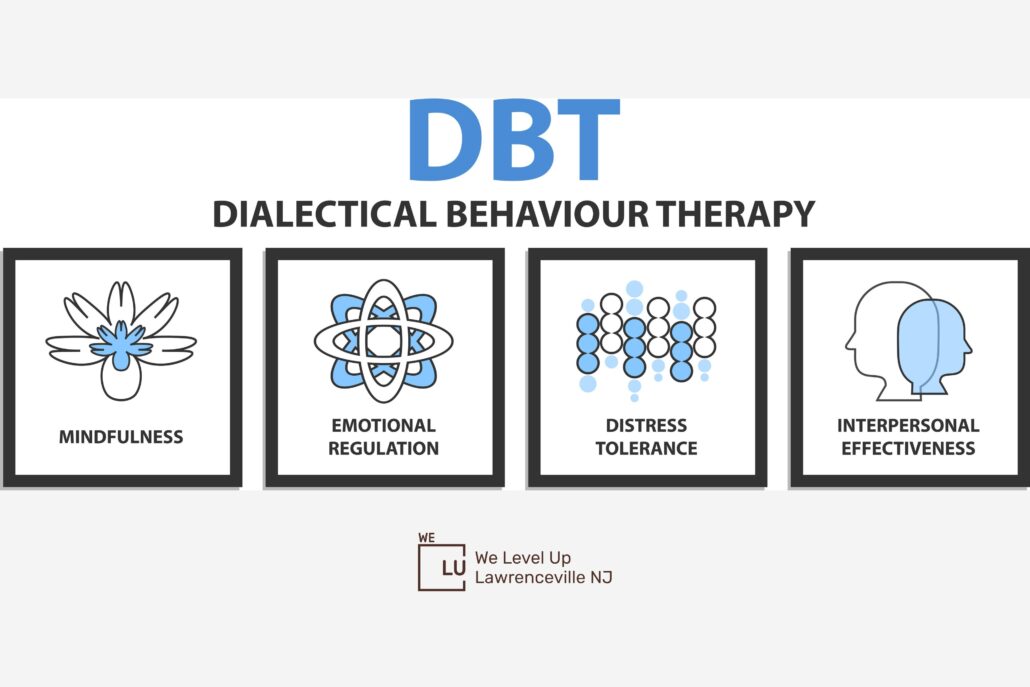
In DBT, people learn four main types of skills. The first is mindfulness. Mindfulness helps you stay in the present moment and pay attention to your thoughts and feelings. The second is distress tolerance. This teaches ways to cope with hard situations without making things worse. The third is emotion regulation. You learn to understand your feelings and change strong or upsetting emotions. The fourth is interpersonal effectiveness. This helps you communicate clearly and keep healthy relationships.
DBT therapy can be used for many situations. People with addiction, self-harm behaviors, or mood disorders often find DBT helpful. It can be part of DBT for addiction treatment or DBT mental health therapy programs.
According to the National Institute of Mental Health (NIMH), therapy that teaches coping skills can lower risky behaviors and improve mental health. DBT therapy programs in New Jersey, like dialectical behavior therapy NJ, provide both individual sessions and group classes. This makes learning skills easier and helps people use them in real life.
DBT therapy is safe and structured. It gives support while teaching tools to handle stress. With DBT, people can feel calmer, make better decisions, and improve their overall life.
Signs You May Need DBT Therapy
- You feel stuck and cannot handle daily life. Small tasks feel too hard, and stress feels overwhelming.
- You feel strong emotions most days. Anger, sadness, or worry may feel too big to handle alone.
- You act without thinking. You may make choices you later regret or get into trouble.
- Your relationships often have problems. You may argue, feel misunderstood, or struggle to keep friends and family close.
- You use drugs or alcohol to cope. Substances may feel like a quick fix but make problems worse.
- You feel anxious or sad a lot. These feelings can last all day and affect sleep, work, or school.
- You think about hurting yourself. Thoughts of self-harm or suicide are serious and need help immediately.
Comfortable Facilities & Amenities
High-Quality Addiction & Mental Health Rehabilitation Treatment
Rehab Centers TourRenowned Addiction Centers. Serene Private Facilities. Inpatient rehab programs vary.
Addiction Helpline (877) 378-4154Proven recovery success experience, backed by a Team w/ History of:
15+
Years of Unified Experience
100s
5-Star Reviews Across Our Centers
10K
Recovery Success Stories Across Our Network
- Low Patient to Therapist Ratio
- Onsite Medical Detox Center
- Comprehensive Dual-Diagnosis Treatment
- Complimentary Family & Alumni Programs
- Coaching, Recovery & Personal Development Events
Why Choose We Level Up NJ for DBT Therapy?
We Level Up NJ is a safe place for DBT therapy. Our staff includes trained therapists with years of experience. They know how to help people with mental health issues and addiction. Each client gets a personal plan. This plan fits your needs and goals.
Our DBT therapy program helps with both mental health and addiction. We use proven methods to teach mindfulness, stress control, emotion control, and communication. Clients learn skills in therapy sessions and apply them in daily life.
We Level Up NJ supports long-term recovery. We guide clients step by step. Our team monitors progress and changes the plan if needed. With DBT therapy, clients can build skills that last a lifetime.
What to Expect During DBT Therapy?
DBT therapy starts with a full check-up. Therapists look at your mental health, behavior, and past experiences. They ask about problems, feelings, and goals. This helps them make a personal plan just for you. Every plan is different because every person is different.
Next, therapy sessions begin. You have one-on-one sessions with a therapist. Here, you talk about your feelings and challenges. You also go to group sessions. In groups, you learn important skills like mindfulness, handling stress, controlling emotions, and talking to others in a healthy way. You get homework to practice these skills in your daily life.
For people using DBT for addiction treatment, extra help is added. Therapists teach ways to manage cravings and avoid relapse. They help you identify triggers that make you want to use substances. You also learn safe choices and coping tools.
Ongoing support is very important. Follow-up sessions, coaching, and family meetings may be included. This helps you keep using the skills in real life. With DBT therapy, you learn tools to handle stress, feel calmer, and improve your life step by step.
World-class, Accredited, 5-Star Reviewed, Effective Addiction & Mental Health Programs. Complete Behavioral Health Inpatient Rehab, Detox plus Co-occuring Disorders Therapy.
CALL (877) 378-4154End the Addiction Pain. End the Emotional Rollercoaster. Get Your Life Back. Start Drug, Alcohol & Dual Diagnosis Mental Health Treatment Now. Get Free No-obligation Guidance by Substance Abuse Specialists Who Understand Addiction & Mental Health Recovery & Know How to Help.
Benefits of DBT Therapy
- Get a personal plan from licensed professionals.
- Learn skills to manage emotions and stress.
- Improve communication and relationships.
- Reduce risky behaviors and impulsive actions.
- Combine addiction treatment with mental health support.
Get Help. Get Better. Get Your Life Back.
Searching for Accredited Drug & Alcohol Rehab Centers Near You? Or Mental Health Support?
Even if you have failed previously, relapsed, or are in a difficult crisis, we stand ready to support you. Our trusted behavioral health specialists will not give up on you. Call us when you feel ready or want someone to speak to about therapy alternatives to change your life. Even if we cannot assist you, we will lead you wherever you can get support. There is no obligation. Call our hotline today.
FREE Addiction Hotline – Call 24/7How to Get Started with DBT Therapy
If you or a loved one struggles with emotions or addiction, DBT therapy can help. We Level Up NJ makes getting care easy. Our team helps with insurance and explains each step. You get a private assessment and a clear plan for therapy. You are never alone in this process. Our staff guides you, teaches life skills, and supports your progress. Ready to get started? Call (201) 389-9370 today and take the first step toward a better life.
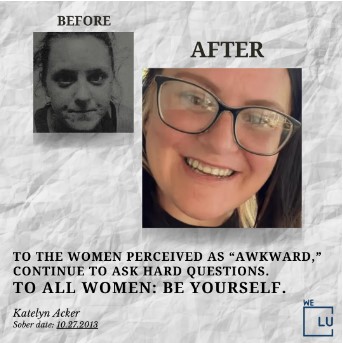
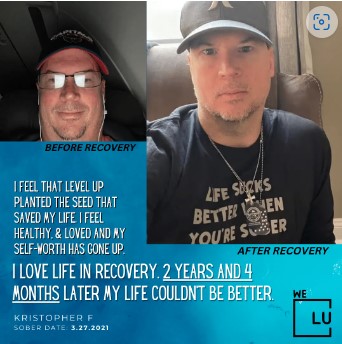
Experience Transformative Recovery at the We Level Up Treatment Center.
See our authentic success stories. Get inspired. Get the help you deserve.
Start a New Life
Begin with a free call to an addiction & behavioral health treatment advisor. Learn more about our dual-diagnosis programs. The We Level Up treatment center network delivers various recovery programs at each treatment facility. Call to learn more.
- Personalized Care
- Caring Accountable Staff
- Comfortable Amenities
- Licensed & Accredited
- Renowned w/ 5-Star Reviews
We’ll Call You
FAQs About DBT Therapy
What is DBT therapy?
DBT therapy is a type of talk therapy. It teaches skills to handle strong feelings, stop risky behavior, and improve relationships. People learn ways to stay calm and make better choices every day.
Who can use dialectical behavior therapy NJ?
People with anxiety, depression, addiction, or emotional problems can benefit from DBT. It helps them cope with stress, manage emotions, and improve daily life. Families and friends often notice positive changes too.
What does a DBT therapy program include?
DBT therapy programs include one-on-one therapy, group sessions, skill practice, and coaching. You learn skills in therapy and practice them in real life. Homework helps make the skills stick.
How does DBT for addiction treatment work?
DBT teaches ways to deal with cravings, avoid triggers, and prevent relapse. It combines addiction support with mental health therapy. People learn safe choices and healthy ways to handle stress.
Is DBT mental health therapy proven to work?
Yes. Research shows DBT lowers self-harm, risky behaviors, and emotional problems. SAMHSA and other mental health experts support DBT as an effective treatment.
How long does DBT therapy take?
DBT programs usually last 12–24 weeks. Follow-up sessions and coaching may continue. Long-term support helps people keep using their skills in daily life.
Can children or teens use DBT therapy?
Yes. DBT can help teenagers and young adults. Programs are adjusted for age. Teens learn skills for school, friendships, and home life. Early help can stop problems from getting worse.
What if I need extra help during DBT therapy?
Therapists provide support between sessions. Phone calls, check-ins, or coaching help when feelings get strong. Family sessions may be added. Extra support helps you use DBT skills every day.