Carfentanil rehab is an important step for people who are having problems with one of the most dangerous synthetic painkillers. Carfentanil is known to be extremely strong, often described as 100 times more potent than fentanyl and up to 10,000 times more potent than morphine. Even a very small amount can hurt you badly or kill you if you take too much. Opioid overdoses have become more common in recent years because many people are introduced to this drug without realizing it.
This strong drug is now part of the opioid problem that is getting worse. Because it is so strong and dangerous, it has also caused significant concern among healthcare workers and police. When people abuse carfentanil and develop a substance use problem, they often need professional help right away. It is possible to get better with the right help, and We Level Up NJ provides a secure and reputable setting for carfentanil rehab and comprehensive drug treatment.
Table of Contents
What Is Carfentanil?
Chemically, carfentanil is a painkiller that was first made to be used on animals. Because it is so strong, it is not allowed to be used on people. A lot of people say it’s much stronger than morphine and many times stronger than fentanyl.
It only takes a small amount to slow or stop breathing. This is why it’s linked to a lot of deaths from accidents. It’s even more dangerous when mixed with other drugs, which happens a lot. People can quickly become hooked on it because it is so strong. This makes treatment more important and takes more work.
Why Carfentanil Addiction Is So Dangerous
Carfentanil addiction treatment rehab is necessary because of how quickly this drug affects the brain and body. It can cause serious harm in a short amount of time.
Some key risks include:
- Severe breathing problems
- High risk of opioid overdoses
- Strong physical dependence
- Intense withdrawal symptoms
Many people who take carfentanil don’t know how strong it is. Because they don’t know about it, the risk of overdose and long-term damage goes up.
Get Help. Get Better. Get Your Life Back.
Searching for Accredited Drug & Alcohol Rehab Centers Near You? Or Mental Health Support?
Even if you have failed previously, relapsed, or are in a difficult crisis, we stand ready to support you. Our trusted behavioral health specialists will not give up on you. Call us when you feel ready or want someone to speak to about therapy alternatives to change your life. Even if we cannot assist you, we will lead you wherever you can get support. There is no obligation. Call our hotline today.
FREE Addiction Hotline – Call 24/7Signs of Carfentanil Addiction
Recognizing carfentanil addiction symptoms treatment needs early can help prevent serious harm. The symptoms may appear quickly and can be more intense than those of other opioids.
Common signs include:
- Extreme drowsiness
- Slow or shallow breathing
- Confusion or poor memory
- Strong cravings
- Withdrawal symptoms such as sweating or nausea
These signs should not be ignored. Early treatment can save lives.\
The Importance of Medical Detox
Synthetic opioid carfentanil detox is a crucial first step on the road to recovery. Because this drug is so strong, detox should always be overseen by a doctor. The signs of withdrawal can be very bad and painful.
Medical teams help people safely deal with these conditions. During the process, they monitor the person’s breathing, heart rate, and overall health. Detox helps the body get rid of the drug. It gets people ready for the next part of their treatment.

What Happens in Carfentanil Rehab
Carfentanil rehab includes a structured plan that focuses on both physical and emotional healing. Treatment does not stop after detox.
Patients receive:
- Medical support and monitoring
- Therapy to address emotional triggers
- Group counseling for shared support
- Education on relapse prevention
This approach helps people understand their addiction and build healthier habits.
Treating Carfentanil Overdose and Recovery
Carfentanil overdose treatment rehab often starts with emergency care. Because this drug is more potent than fentanyl, overdoses can happen very quickly. After emergency treatment, patients enter rehab to address the deeper causes of addiction. This step is important because people who survive an overdose are still at high risk. Rehab helps reduce this risk by providing structure, care, and long-term support.
Long-Term Recovery and Support
Opioid carfentanil recovery programs help people stay healthy after they finish treatment. Recovery takes a long time and needs constant help.
Patients learn how to:
- Manage stress in healthy ways.
- Avoid triggers
- Build daily routines
- Stay connected to support systems.
These programs help reduce the risk of relapse and support long-term success.
Why Carfentanil Rehab Works
Drug rehab works because it takes care of more than just the problem. It looks at the person as a whole. This includes your physical, mental, and emotional health. Patients learn about how the brain is affected by addiction. Also, they learn how to change bad habits into good ones. People can get their lives back on track and feel more in charge with time and help.


Get Your Life Back
Find Hope & Recovery. Get Safe Comfortable Detox, Addiction Rehab & Mental Health Dual Diagnosis High-Quality Care at the We Level Up Treatment Centers Network.
Hotline (877) 378-4154Why Choose We Level Up NJ
Picking the right location is very important for getting better. There is a safe and organized place to get help for carfentanil addiction at We Level Up NJ. Each patient gets a treatment plan that is just right for them. This plan includes a place to stay for detox, therapy, and continued care. The goal is to help people with both drug and mental health problems.
The center offers a range of care, including outpatient services, inpatient rehab, and partial hospitalization. This lets people choose how quickly they want to complete treatment. The medical staff knows how bad this addiction can get. They provide care in a calm, supportive environment. People who are dealing with both addiction and mental health issues can also get help for both.
Ready to get started? Call (201)389-9370 or email verifyadmissions@welevelup.com today. A better life is waiting for you
How Carfentanil Rehab Fits Into a Full Treatment Plan
Rehab is one part of a complete recovery plan. It works best when combined with other therapies.
Patients often receive:
- Cognitive Behavioral Therapy
- Group counseling
- Trauma-informed care
These therapies help patients understand their thoughts and behaviors. They also help build stronger coping skills.

Building a Life After Addiction
It takes time and care to get over an addiction to carfentanil. Everybody needs to make new habits and stick to them. They learn how to stay busy, manage stress, and avoid things that set them off. These changes will help you live a healthier life. The risk of return goes down as these habits become part of daily life.
Challenges in Recovery and How to Overcome Them
Recovery is not always easy. People may face cravings, fear, or emotional stress. Rehab provides tools to handle these challenges. Patients learn how to pause, think, and make better choices. With support, these challenges become easier to manage.
Who Needs Carfentanil Rehab
Carfentanil rehab is important for anyone struggling with this drug or other strong opioids.
It is especially important for people who:
- Have experienced an overdose
- Cannot stop using it on their own
- Have strong withdrawal symptoms
- Are affected by the opioid crisis
Early treatment can prevent serious health risks and improve long-term outcomes.
Frequently Asked Questions
What is carfentanil rehab?
It is a treatment program that helps people recover from addiction to carfentanil.
What is a synthetic opioid carfentanil detox?
It is a safe process where medical staff help remove the drug from the body.
What happens in carfentanil overdose treatment rehab?
Patients receive emergency care and then enter rehab for full recovery support.
What are the carfentanil addiction symptoms and treatment signs?
They include drowsiness, breathing problems, cravings, and withdrawal symptoms.
What are opioid carfentanil recovery programs?
They are long-term programs that help people stay in recovery and avoid relapse.
How does We Level Up NJ offer help?
We Level Up NJ provides detox placement, therapy, and full addiction treatment support.
Take the Next Step Toward Healing
It can be hard and dangerous to live with a carfentanil addiction. There is a real chance of overdosing, and a lot of people feel stuck in the loop. Carfentanil rehab can help you stay safe and get better.
We Level Up NJ’s main goal is to help you take back control of your life, start over, and feel supported every step of the way. It takes time to heal, but things can change. Click here to start your road to a healthier, more stable future. If you are ready to move forward, call (877) 378-4154.
Ready to get started? Call (201)389-9370 or email verifyadmissions@welevelup.com today. A better life is waiting for you
Experience Transformative Recovery at the We Level Up Treatment Center.
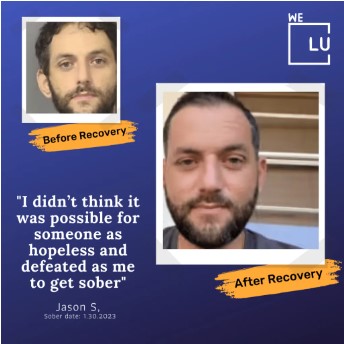
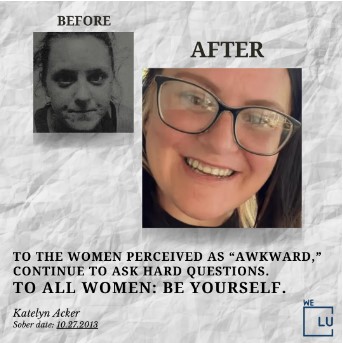
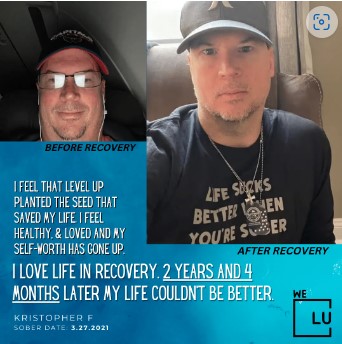
See our authentic success stories. Get inspired. Get the help you deserve.
Start a New Life
Begin with a free call to an addiction & behavioral health treatment advisor. Learn more about our dual-diagnosis programs. The We Level Up treatment center network delivers various recovery programs at each treatment facility. Call to learn more.
- Personalized Care
- Caring Accountable Staff
- Comfortable Amenities
- Licensed & Accredited
- Renowned w/ 5-Star Reviews