
Effective CBT Outpatient Therapy in NJ
Effective CBT Outpatient Therapy in NJ At We Level Up NJ, we offer effective CBT outpatient therapy in NJ. This type of therapy helps people feel better by teaching them how thoughts, feelings, and actions work together. It is a safe place to talk about worries, sadness, or stress. You come to our center for […]
Editor Yamilla Francese
Clinically Reviewed by Lauren Barry, LMFT, MCAP, QS
Medically Reviewed by Ali Nikbakht, PsyD
Updated on May 22, 2026 — Editorial Policy | Research Policy
Effective CBT Outpatient Therapy in NJ

At We Level Up NJ, we offer effective CBT outpatient therapy in NJ. This type of therapy helps people feel better by teaching them how thoughts, feelings, and actions work together. It is a safe place to talk about worries, sadness, or stress. You come to our center for sessions, but you still live at home. This makes it easier to keep your daily routine while getting help. Our trained therapists listen, guide, and teach skills you can use every day. Many people feel less anxious, calmer, and more in control after starting CBT outpatient therapy. We help you build real skills that last.
Table of Contents
What Is CBT Outpatient Therapy?
CBT outpatient therapy is talk therapy that helps people see how their thoughts, feelings, and actions are linked. When someone has sad, worried, or stressful thoughts, it can make life hard. CBT teaches simple ways to notice these thoughts and change them into better, helpful thoughts.
Outpatient therapy means you visit We Level Up NJ for sessions but go home the same day. You can keep your daily routine, like going to work, school, or taking care of your family. You get help from a trained therapist without staying overnight. In each session, the therapist shows you step-by-step ways to use new skills in real life.
CBT outpatient therapy can help with many problems, like anxiety, depression, stress, and trauma. The National Institutes of Health (NIH) says people who do CBT can feel better and handle life better over time. At We Level Up NJ, we teach simple tools you can use every day. You learn to handle stress, think in healthy ways, and build good habits. CBT gives support, hope, and skills to make life better.
Signs You May Need CBT Outpatient Therapy
Here are 7 common signs that an individual might benefit from CBT outpatient therapy:
- Negative thoughts that interfere with relationships.
- Feeling anxious and worried most of the time.
- Sadness that does not go away in daily life.
- Trouble controlling negative thoughts.
- Avoiding things that cause stress.
- Struggling with everyday routines and tasks.
- Feeling overwhelmed by emotions is common.
Get Help. Get Better. Get Your Life Back.
Searching for Accredited Drug & Alcohol Rehab Centers Near You? Or Mental Health Support?
Even if you have failed previously, relapsed, or are in a difficult crisis, we stand ready to support you. Our trusted behavioral health specialists will not give up on you. Call us when you feel ready or want someone to speak to about therapy alternatives to change your life. Even if we cannot assist you, we will lead you wherever you can get support. There is no obligation. Call our hotline today.
FREE Addiction Hotline – Call 24/7Why Choose We Level Up NJ for CBT Outpatient Therapy?
At We Level Up NJ, we give people the care they need to feel better. Our team of trained therapists knows how to help people handle stress, sadness, anxiety, and other problems. We use CBT outpatient therapy to teach skills you can use every day. Our therapists guide you step by step and make sure you feel safe and supported.
Our outpatient program is made to fit your life. You come to sessions but go home the same day. This lets you keep your routines like work, school, or family duties. You get expert help without staying overnight. The sessions are easy to schedule and flexible, so you can get help without major changes to your day.
We Level Up NJ focuses on real results. Our CBT outpatient therapy NJ program helps you learn how to change negative thoughts, manage emotions, and cope with challenges. You get tools that last long after therapy ends. We also support co-occurring issues like stress, trauma, or addiction. People choose us because we give personal care, practical skills, and a safe place to grow. At We Level Up NJ, you are never alone on your journey to feeling better.
Ready to get started? Call (201)389-9370 or email verifyadmissions@welevelup.com today. A better life is waiting for you.
What to Expect During CBT Outpatient Therapy?
When you start CBT outpatient therapy, you first meet a therapist. This first session is to get to know you, hear about your struggles, and talk about what you want to change. Your therapist helps you set simple and clear goals. You learn what to focus on and how therapy will help you feel better.
After the first session, therapy happens week by week. In each session, you talk about thoughts or actions that are hard for you. The therapist shows ways to notice and change negative patterns. You also practice these skills at home. Later, you share what worked and what felt hard. This helps the therapist guide you and adjust your plan.
CBT outpatient therapy also teaches relapse prevention. This means you learn ways to stay strong when life is stressful. You get tools to stop negative thinking and handle hard emotions. You may also practice relaxation, coping strategies, and step-by-step problem-solving. Sessions focus on real-life skills that you can use every day. Over time, therapy helps you feel calmer, more confident, and able to face challenges without feeling stuck.

Get Your Life Back
Find Hope & Recovery. Get Safe Comfortable Detox, Addiction Rehab & Mental Health Dual Diagnosis High-Quality Care at the We Level Up Treatment Centers Network.
Hotline (877) 378-4154Benefits of CBT Outpatient Therapy
Here are 5 main benefits of CBT outpatient therapy:
- Teaches practical skills for everyday life
- Helps reduce anxiety and depressive symptoms
- Builds emotional regulation and coping strategies
- Fits around work and home life
- Supports long‑lasting change
How to Get Started with CBT Outpatient Therapy?
Ready to get started? At We Level Up NJ, taking the first step toward better mental health is easy. You can call our friendly team at (201) 389‑9370 to start. We will help you check insurance coverage, schedule your first visit, and answer all your questions.
Starting CBT outpatient therapy can feel hopeful and empowering. You deserve support that fits your life. Our team is here to help you feel more confident and in control. If you want care that gives real tools and lasting change, contact We Level Up NJ today.
Ready to get started? Call (201)389-9370 or email verifyadmissions@welevelup.com today. A better life is waiting for you.
Comfortable Facilities & Amenities
High-Quality Addiction & Mental Health Rehabilitation Treatment
Rehab Centers TourRenowned Addiction Centers. Serene Private Facilities. Inpatient rehab programs vary.
Addiction Helpline (877) 378-4154Proven recovery success experience, backed by a Team w/ History of:
15+
Years of Unified Experience
100s
5-Star Reviews Across Our Centers
10K
Recovery Success Stories Across Our Network
- Low Patient to Therapist Ratio
- Onsite Medical Detox Center
- Comprehensive Dual-Diagnosis Treatment
- Complimentary Family & Alumni Programs
- Coaching, Recovery & Personal Development Events
FAQs About CBT Outpatient Therapy
How long does a cognitive behavioral therapy outpatient program usually last?
A typical CBT outpatient therapy program might last 8–16 weeks. Some people may need more sessions for extra support. The length depends on your needs and goals. Your therapist will check your progress and adjust the plan if needed. You learn skills step by step and practice them in real life.
Is CBT outpatient therapy NJ covered by health insurance?
Many health insurance plans cover CBT outpatient services. Before starting, call your provider and the We Level Up NJ team. They can help you check your benefits. Some plans cover all sessions, while others may cover only part. Our team can explain costs and guide you so you can get care without surprises.
Can outpatient CBT services help with addiction and mental health?
Yes. Outpatient CBT services are helpful for mental health challenges like anxiety and depression. They also help people who have addiction issues. You learn skills to handle thoughts, manage cravings, and cope with emotions. CBT helps you practice new ways to act so you can stay in recovery.
Is CBT suitable for children and teens?
Yes. CBT works for all ages. Therapists change the way they teach skills to fit the child’s age and needs. Kids and teens can learn ways to manage stress, sadness, or worry in school, at home, and with friends.
What makes CBT different from other therapies?
CBT focuses on the present. It teaches simple steps you can use every day. You learn practical skills that help in real life. CBT is goal-focused, easy to practice, and helps you feel more in control.
How do I get started with CBT outpatient therapy?
Getting started is simple. You can call We Level Up NJ at (201) 389‑9370 to set up your first appointment. The team will help you check insurance, explain the program, and answer all your questions. Your first session is to meet the therapist, talk about your goals, and make a plan that fits your life. You do not need to stay overnight, and therapy sessions are easy to schedule. Starting CBT outpatient therapy helps you learn skills to handle stress, change negative thoughts, and feel better every day.
World-class, Accredited, 5-Star Reviewed, Effective Addiction & Mental Health Programs. Complete Behavioral Health Inpatient Rehab, Detox plus Co-occuring Disorders Therapy.
CALL (877) 378-4154End the Addiction Pain. End the Emotional Rollercoaster. Get Your Life Back. Start Drug, Alcohol & Dual Diagnosis Mental Health Treatment Now. Get Free No-obligation Guidance by Substance Abuse Specialists Who Understand Addiction & Mental Health Recovery & Know How to Help.
Experience Transformative Recovery at the We Level Up Treatment Center.
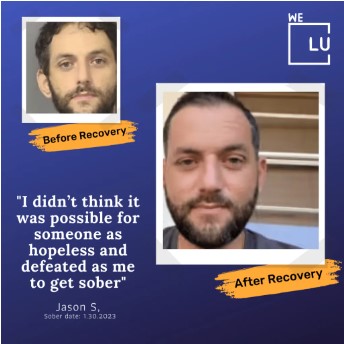
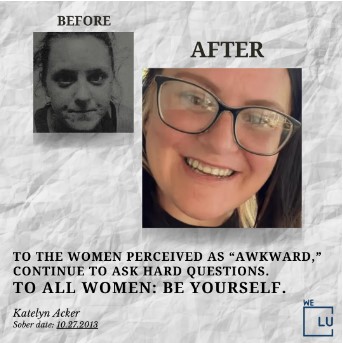
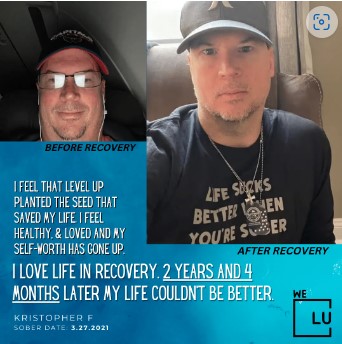
See our authentic success stories. Get inspired. Get the help you deserve.
Start a New Life
Begin with a free call to an addiction & behavioral health treatment advisor. Learn more about our dual-diagnosis programs. The We Level Up treatment center network delivers various recovery programs at each treatment facility. Call to learn more.
- Personalized Care
- Caring Accountable Staff
- Comfortable Amenities
- Licensed & Accredited
- Renowned w/ 5-Star Reviews