Understanding a meth rehab program
If you’re exploring options for overcoming methamphetamine dependence, understanding a meth rehab program is your first step toward lasting recovery. A structured meth addiction treatment program provides a combination of medical supervision, therapeutic interventions, and ongoing support designed to address both the physical and psychological effects of stimulant use. By learning how these elements fit together, you can approach your journey with clarity, confidence, and the support necessary for lasting recovery.
In a comprehensive care model, you’ll move through stages that begin with assessment and detox, then advance into therapy and aftercare. Each phase of your individualized plan focuses on your unique challenges—withdrawal symptoms, cravings, emotional triggers—while fostering a supportive environment. As a result, you can build coping skills, restore health, and reconnect with community and family life.
Preparing for treatment
Before you enter a formal rehab setting, take time to prepare mentally, emotionally, and practically for the changes ahead. A solid foundation increases your chances of success and helps you engage fully with each treatment phase.
Assessing readiness
- Reflect on your personal goals for recovery, such as repairing relationships or improving your health
- Recognize your substance use patterns and triggers—work with a counselor or support person to evaluate these factors
- Identify any co-occurring mental health conditions, like anxiety or depression, that may require simultaneous treatment [1]
Securing support
- Talk with family members or close friends about your decision—having loved ones on board offers accountability and encouragement
- Research local peer networks and community resources to connect with others who understand stimulant use disorder
- Arrange logistics such as transportation, time off work, and childcare, so you can fully commit to your rehab schedule
Entering medical detox
Medical detox marks the formal beginning of your recovery journey. Under professional supervision, you’ll undergo withdrawal in a safe setting equipped to manage discomfort and potential complications.
Get Help. Get Better. Get Your Life Back.
Searching for Accredited Drug & Alcohol Rehab Centers Near You? Or Mental Health Support?
Even if you have failed previously, relapsed, or are in a difficult crisis, we stand ready to support you. Our trusted behavioral health specialists will not give up on you. Call us when you feel ready or want someone to speak to about therapy alternatives to change your life. Even if we cannot assist you, we will lead you wherever you can get support. There is no obligation. Call our hotline today.
FREE Addiction Hotline – Call 24/7What is medical detox?
Medical detox provides round-the-clock monitoring of vital signs, hydration, and nutrition. Health professionals tailor interventions to your severity of methamphetamine dependence and co-occurring health concerns. This phase lays the groundwork for your psychological and behavioral therapies.
Managing withdrawal symptoms
You may experience acute symptoms as meth leaves your system. Common withdrawal challenges include:
- Fatigue and hypersomnia
- Intense drug cravings
- Depression or irritability
- Increased appetite or weight gain
- Psychomotor retardation or agitation
Skilled clinical staff will guide you through these symptoms and provide comfort measures such as hydration, nutritional support, and non-addictive medications for sleep or mood stabilization.
Medication-assisted therapies
Currently no medications are FDA-approved specifically for methamphetamine use disorder, but some options help ease withdrawal and support overall health:
- Off-label use of antidepressants or anxiolytics to manage mood swings
- Symptom-targeted medications for sleep disturbances or muscle aches
- Referral to a meth detox withdrawal program for intensive outpatient supervision
By combining medical oversight with compassionate care, the detox phase prepares you to engage fully in the next stage of therapy.
Engaging in therapy modalities
After detox, customized behavioral therapies and holistic approaches become the cornerstone of your recovery. These interventions teach you to recognize high-risk situations, reshape destructive thought patterns, and develop a healthier lifestyle.
Behavioral therapies
| Therapy type | Description | Benefits |
|---|---|---|
| Cognitive behavioral therapy | Teaches you to identify and challenge negative thoughts that trigger use | Builds coping strategies, reduces relapse risk |
| Contingency management | Offers rewards for drug-free urine screens | Encourages early abstinence and ongoing program engagement |
| Motivational interviewing | Helps resolve ambivalence toward change through guided conversation | Increases motivation and commitment to recovery |
Many meth rehab centers integrate these evidence-based treatments into daily programming, ensuring you acquire practical skills for long-term sobriety [2].
Group and family therapy
- Group therapy provides a supportive environment where you share experiences with peers facing similar challenges. Mutual support fosters accountability and reduces isolation.
- Family therapy involves loved ones in the recovery process to repair relationships and strengthen your home support system.
A supportive environment built on trust and understanding helps reinforce the progress you make in individual therapy sessions.
Holistic and complementary approaches
To promote overall wellness, many programs offer:
- Mindfulness meditation and stress-reduction techniques
- Yoga and gentle exercise to rebuild physical health
- Nutritional counseling to restore metabolic balance
- Art or music therapy for emotional expression
By addressing mind, body, and spirit, holistic therapies complement clinical treatments and enrich your recovery toolkit.
Building a support network
Recovery extends beyond the walls of a rehab facility. Cultivating a robust support network helps you maintain progress and navigate challenges after leaving formal treatment.
Peer support groups
Groups such as 12-step fellowships or SMART Recovery meetings offer ongoing encouragement and practical guidance. Regular attendance can reinforce accountability and connect you with mentors who have walked a similar path.
Family involvement
Your loved ones play a vital role in sustaining your recovery. Family education programs teach members how to provide healthy support, set boundaries, and recognize signs of relapse.
Aftercare planning
Early in your program, start crafting an aftercare plan that includes:
- Scheduled outpatient therapy or counseling
- Continued participation in support meetings
- Regular check-ins with a case manager or sponsor
- Contingencies for high-risk periods, such as holidays or job stress
A proactive aftercare strategy ensures you stay engaged with resources that promote long-term sobriety.

Get Your Life Back
Find Hope & Recovery. Get Safe Comfortable Detox, Addiction Rehab & Mental Health Dual Diagnosis High-Quality Care at the We Level Up Treatment Centers Network.
Hotline (877) 378-4154Planning aftercare and relapse prevention
Relapse is a common part of recovery, but with a thoughtful prevention plan you can minimize risks and respond swiftly if cravings arise.
Developing a relapse prevention plan
- Identify triggers: stressful events, certain people or places, emotional lows
- List coping strategies: phone a peer supporter, engage in physical activity, practice relaxation exercises
- Establish emergency contacts: therapists, sponsors, close friends or family members available around the clock
Continuing care programs
Structured continuing care can include:
- Outpatient group therapy
- Individual counseling sessions
- Telehealth check-ins
- Alumni support networks
These programs provide accountability and help you stay connected to professional guidance.
Community resources
- Local recovery community organizations
- Faith-based support groups
- Peer-led mentoring programs
By tapping into these resources, you reinforce your recovery community and maintain momentum well after formal treatment ends.
Selecting a rehab center
Choosing the right facility is crucial. A quality program combines expert staff, evidence-based therapies, and a nurturing environment that aligns with your needs.
Key facility features
- Accreditation by recognized bodies such as The Joint Commission
- Licensed medical and clinical professionals
- Tailored treatment programs for stimulant use disorders
- Access to holistic amenities and relapse prevention services
Questions to ask providers
- What is the staff-to-client ratio during treatment?
- How do you address co-occurring mental health issues?
- Which family or peer support options are available?
- What is the typical duration and cost of the program?
Exploring program options
Some centers focus exclusively on methamphetamine recovery, while others treat multiple stimulant dependencies, including cocaine [3] and prescription stimulants like Adderall [4]. If you need to begin with safely managed withdrawal, consider a specialized meth detox track before transitioning into full inpatient or outpatient care at a reputable meth rehab center.
Taking the next steps
By following these essential steps—preparing for treatment, completing medical detox, engaging in tailored therapies, building a strong support network, and planning for aftercare—you position yourself for a successful recovery journey. Reach out today to learn more about structured methamphetamine addiction treatment programs and find the comprehensive care you deserve. Your path to lasting sobriety begins with a single decision to seek help and embrace change.
References
- (National Institute on Drug Abuse)
- (National Institute on Drug Abuse)
- (cocaine rehab program)
- (adderall rehab program)
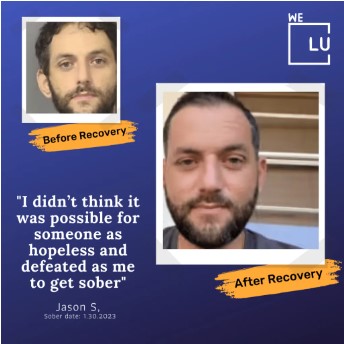
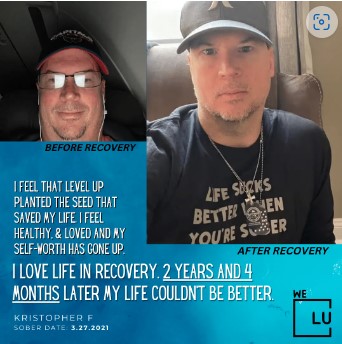
Experience Transformative Recovery at the We Level Up Treatment Center.
See our authentic success stories. Get inspired. Get the help you deserve.

Start a New Life
Begin with a free call to an addiction & behavioral health treatment advisor. Learn more about our dual-diagnosis programs. The We Level Up treatment center network delivers various recovery programs at each treatment facility. Call to learn more.
- Personalized Care
- Caring Accountable Staff
- Comfortable Amenities
- Licensed & Accredited
- Renowned w/ 5-Star Reviews