If you’re struggling with Klonopin misuse, finding the right klonopin rehab treatment can transform your life. You’re not alone in facing the unique challenges of benzodiazepine dependency, and a tailored program offers the comprehensive care you need for lasting recovery. In this article, you’ll discover how to recognize dependence, navigate a safe detox, explore rehab options, and plan for ongoing support after treatment. Throughout, you’ll find empathetic guidance and evidence‐based insights designed to empower you on your path to wellness.
If you’re ready to get started, you might consider reaching out to our prescription pill detox center or learn more about our specialized klonopin detox program for medically supervised tapering and comfort care.
Recognize Klonopin dependence
Understanding how Klonopin (clonazepam) can lead to dependency is the first step in reclaiming control of your life. By identifying the signs early, you can seek help before withdrawal becomes overwhelming.
What is Klonopin?
Klonopin is a benzodiazepine prescribed for anxiety, panic disorders, and seizure management. It works by enhancing the effect of gamma‐aminobutyric acid (GABA) in your brain, producing a calming effect. While effective when used as directed, prolonged or high‐dose use can alter brain chemistry and lead to tolerance, dependence, and withdrawal risks.
Signs of misuse
You may be developing a problem if you notice:
- Increased dosage without consulting your doctor
- Experiencing cravings or preoccupation with obtaining pills
- Feeling unable to cope with stress without Klonopin
- Memory lapses or blackouts during or after use
- Social withdrawal or changes in responsibilities
These behaviors often signal that what began as prescribed use has escalated into misuse, requiring professional intervention.
Risk factors for dependency
Several factors can raise your risk of developing Klonopin dependence:
- Long‐term prescription beyond a few weeks
- High daily doses or irregular dosing patterns
- Co-occurring mental health conditions such as depression or PTSD
- Personal or family history of substance use disorders
- Stressful life events or environments that trigger self-medication
By understanding these triggers, you can approach recovery with a clearer sense of your individual needs.
Get Help. Get Better. Get Your Life Back.
Searching for Accredited Drug & Alcohol Rehab Centers Near You? Or Mental Health Support?
Even if you have failed previously, relapsed, or are in a difficult crisis, we stand ready to support you. Our trusted behavioral health specialists will not give up on you. Call us when you feel ready or want someone to speak to about therapy alternatives to change your life. Even if we cannot assist you, we will lead you wherever you can get support. There is no obligation. Call our hotline today.
FREE Addiction Hotline – Call 24/7Understand detox and withdrawal
A cautious, medically supervised detox is crucial for benzodiazepine safety. Sudden cessation can lead to severe symptoms, so planning and professional support are essential.
Why medically supervised detox matters
Without proper supervision, stopping Klonopin abruptly can cause:
- Seizures or convulsions
- Severe anxiety or panic attacks
- Hallucinations or perceptual disturbances
- Intense cravings and rebound insomnia
Medical monitoring reduces these risks and ensures you have access to comfort measures, such as IV fluids or medications for symptom relief.
Common withdrawal symptoms
During detox, you might experience:
- Tremors and muscle cramps
- Heightened irritability or mood swings
- Sweating, nausea, and headaches
- Insomnia and vivid nightmares
- Feelings of depersonalization or derealization
Typically, symptoms peak within several days of tapering and gradually subside over weeks to months, depending on your dosage and duration of use.
Safety measures during detox
To promote a smoother withdrawal process, your care team may implement:
- Gradual dose tapering to reduce symptom severity
- Regular vital sign monitoring to detect complications
- Adjunct medications for anxiety, sleep, or pain relief
- Nutritional support and hydration therapies
- Emotional support through individual counseling
If you need a safe setting, our klonopin detox treatment provides 24/7 medical oversight in a supportive environment.
Explore rehab treatment programs
After detox, an inpatient or outpatient rehab program helps you build skills for long-term recovery. Understanding your options ensures you choose the right level of care.
Inpatient vs outpatient treatment
| Feature | Inpatient rehab | Outpatient rehab |
|---|---|---|
| Living arrangements | On-site, structured environment | Remain at home, attend scheduled sessions |
| Intensity of care | High, daily therapy and medical supervision | Moderate, flexible scheduling |
| Peer support | Immediate access to group activities | Group sessions at set times |
| Cost and insurance coverage | Often higher, but comprehensive | Generally lower, may fit daily obligations |
| Ideal candidates | Severe dependency, co-occurring disorders | Mild to moderate dependence, strong home support |
Medication‐assisted treatment
For opioid use disorders, medications like methadone, buprenorphine, and naltrexone are first‐line treatments. However, benzodiazepines such as Klonopin lack FDA-approved medications for detox, making careful tapering and behavioral therapies the foundation of your recovery plan [1].
Behavioral therapies
Behavioral interventions address the root causes of misuse and equip you with coping skills:
- Cognitive behavioral therapy (CBT) to challenge negative thought patterns
- Dialectical behavior therapy (DBT) to regulate emotions and reduce self-harm risks
- Motivational interviewing to strengthen your commitment to change
- Group therapy for peer support and shared experiences
These therapies form the core of most prescription drug rehab programs, helping you modify behaviors and build resilience.
Embrace inpatient rehab support
An inpatient setting can offer immersion in your recovery, free from environmental triggers and distractions.
Tailored treatment programs
Your individualized plan may include:
- Customized therapy schedules based on your history
- Integrated treatment for co-occurring mental health disorders
- Regular progress assessments and plan adjustments
By focusing on your unique circumstances, rehab fosters deeper insights and more meaningful growth.
Holistic therapies for wellness
Beyond traditional counseling, holistic approaches support your overall wellbeing:
- Yoga and meditation to enhance stress management
- Nutritional counseling for physical health and mood stabilization
- Art or music therapy to express emotions nonverbally
These complementary methods reinforce coping skills and promote a balanced lifestyle.
Building peer support
Living alongside others on a similar path offers:
- Shared accountability and encouragement
- Opportunities to practice communication and social skills
- A sense of community that counters isolation
Strong peer connections often become lasting networks that sustain recovery long after discharge.
Get Your Life Back
Find Hope & Recovery. Get Safe Comfortable Detox, Addiction Rehab & Mental Health Dual Diagnosis High-Quality Care at the We Level Up Treatment Centers Network.
Hotline (877) 378-4154Combine medication and therapy
Though Klonopin lacks direct FDA-approved substitute medications, combining safe pharmacological support with counseling maximizes your chances for success.
FDA-approved medications
Your care team may use adjunctive medications to ease symptoms:
| Medication | Purpose | Notes |
|---|---|---|
| Lofexidine | Relieves withdrawal symptoms | Non-opioid alpha-2 agonist |
| Antidepressants | Manage underlying mood disorders | SSRIs or SNRIs based on evaluation |
| Sleep aids | Support during insomnia phases | Short-term use under supervision |
While no benzodiazepine reversal agent exists, these options can improve your comfort and reduce relapse triggers.
Integrating counseling approaches
Therapists often blend techniques to address your whole person:
- Skill-building in stress management and problem solving
- Family therapy to repair relationships and foster support
- Trauma-informed care to process past experiences safely
By weaving these approaches into your plan, you address both symptoms and underlying causes of misuse.
Importance of aftercare planning
Effective aftercare is vital. You’ll work with your team to:
- Set realistic goals and milestones
- Schedule follow-up appointments or virtual check-ins
- Identify community resources such as support groups
This proactive strategy reduces the likelihood of return to use and promotes long-term stability.
Plan aftercare and relapse prevention
Recovery continues beyond discharge. A robust aftercare plan builds resilience against common relapse triggers.
Developing coping strategies
You’ll learn techniques tailored to your lifestyle:
- Mindfulness exercises to manage cravings in real time
- Structured routines that replace substance-related habits
- Stress reduction practices like guided breathing or progressive muscle relaxation
These tools empower you to navigate challenging situations with confidence.
Support networks and resources
Connecting with others reinforces your commitment:
- 12-step fellowships or SMART Recovery meetings
- Peer mentorship programs for one-on-one guidance
- Online communities for flexible support when meeting in person isn’t possible
Your network functions as an ongoing safety net, offering encouragement and accountability.
Monitoring progress
Regular check-ins keep you on track:
- Scheduled visits with your therapist or physician
- Self-assessment journals to track mood, sleep, and triggers
- Urinalysis or other screenings when clinically indicated
According to the National Institute on Drug Abuse, relapse rates for substance use disorders hover between 40–60%, similar to other chronic illnesses [2]. Viewing relapse as a signal to adjust your plan rather than a failure supports a growth mindset and sustained recovery.
Find your rehab program
Choosing the right facility makes all the difference. Consider these factors as you search:
Key factors to consider
- Accreditation and licensing credentials
- Staff qualifications, including medical and therapy expertise
- Program length and flexibility to accommodate your needs
- Cost, insurance coverage, and available payment assistance
A transparent center will gladly answer questions about these elements to ensure you feel confident in your choice.
Questions to ask centers
Before committing, you might inquire:
- How do you tailor treatment plans to individual needs?
- What is the staff-to-patient ratio for medical supervision?
- How are co-occurring mental health issues addressed?
- What aftercare supports are included in the program fee?
These queries help you gauge a center’s commitment to comprehensive, patient-centered care.
Next steps to admission
Once you’ve identified a suitable program:
- Complete an initial assessment, often via phone or online form
- Verify insurance benefits and explore financial aid options
- Schedule your admission date and arrange travel or accommodations
- Pack essentials—comfortable clothing, personal items, and any required documents
Taking these practical steps brings you closer to the supportive environment you deserve.
If you’re looking for alternatives or a broader scope of prescription drug treatment, explore our prescription drug rehab center and related programs such as oxycodone rehab center or ambien rehab treatment. For tailored aftercare, consider resources like prescription pill detox.
You have the strength to reclaim your life from Klonopin dependence. By recognizing the problem, engaging in a safe detox, embracing a comprehensive rehab experience, and planning for ongoing support, you set the stage for lasting transformation. Reach out today to begin your journey toward recovery and rediscover the hope and stability you deserve.
References
Experience Transformative Recovery at the We Level Up Treatment Center.
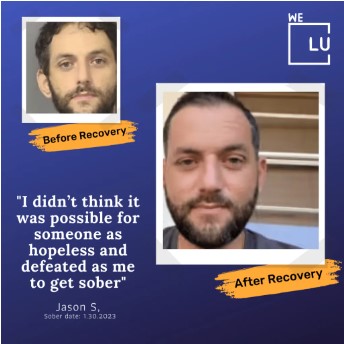
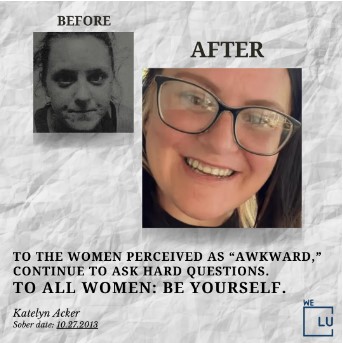
See our authentic success stories. Get inspired. Get the help you deserve.
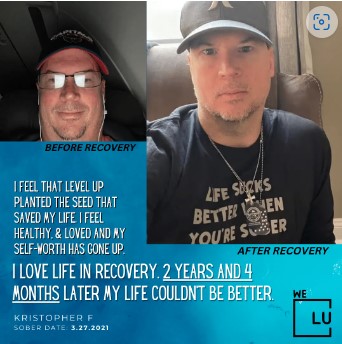
Start a New Life
Begin with a free call to an addiction & behavioral health treatment advisor. Learn more about our dual-diagnosis programs. The We Level Up treatment center network delivers various recovery programs at each treatment facility. Call to learn more.
- Personalized Care
- Caring Accountable Staff
- Comfortable Amenities
- Licensed & Accredited
- Renowned w/ 5-Star Reviews