Understand guided meditation rehab
As you face the unique challenges of substance use and co-occurring mental health conditions, a guided meditation therapy rehab program can offer the comprehensive care you need. Guided meditation brings together mindfulness practice, breathing techniques, and therapeutic support to help you build resilience, reduce stress, and manage cravings. When integrated into a dual diagnosis setting, it becomes part of an individualized plan that addresses both addiction and underlying emotional struggles.
What guided meditation rehabilitation involves
Guided meditation therapy rehab typically includes:
- Structured meditation sessions led by a trained facilitator
- Breath-awareness exercises to anchor you in the present moment
- Guided imagery for stress reduction and emotional regulation
- Gentle movement or body scans to promote mind-body connection
- Journaling prompts to reflect on insights and progress
These elements create a supportive environment where you can explore your thoughts and feelings safely. Over time, you’ll develop practical skills to face triggers, cope with anxiety, and break the cycle of substance use.
How it supports dual diagnosis
If you’re navigating both addiction and a mental health disorder—such as depression, anxiety, or trauma—a guided meditation rehab program helps you:
- Regulate intense emotions that fuel substance use
- Decrease racing thoughts and promote mental calm
- Strengthen neural pathways for healthier coping mechanisms (neuroplasticity)
- Foster self-compassion and reduce shame associated with relapse
Research shows that mindfulness practices can complement other therapies in a dual diagnosis treatment center by addressing brain circuitry changes common to both substance use disorders and conditions like ADHD or depression [1].
Explore core benefits
Harnessing meditation as part of your rehab brings far-reaching advantages. As you integrate regular practice into your recovery, you may notice improvements in mental, emotional, and physical well-being.
Reduce stress and anxiety
- Lowers levels of cortisol, the stress hormone
- Quietens rumination that can trigger cravings
- Provides tools to manage panic or anxiety attacks
Enhance emotional regulation
- Builds awareness of emotional patterns
- Encourages pause before reacting
- Helps you respond to triggers with intention rather than habit
Strengthen mind-body connection
- Increases somatic awareness to detect early signs of distress
- Supports relaxation of muscle tension and improves sleep
- Complements holistic wellness practices to reinforce overall stability
By practicing guided meditation alongside therapies like massage therapy for recovery and recreational therapy rehab, you’ll create a balanced toolkit for lasting recovery.
Get Help. Get Better. Get Your Life Back.
Searching for Accredited Drug & Alcohol Rehab Centers Near You? Or Mental Health Support?
Even if you have failed previously, relapsed, or are in a difficult crisis, we stand ready to support you. Our trusted behavioral health specialists will not give up on you. Call us when you feel ready or want someone to speak to about therapy alternatives to change your life. Even if we cannot assist you, we will lead you wherever you can get support. There is no obligation. Call our hotline today.
FREE Addiction Hotline – Call 24/7Combine evidence-based therapies
A holistic recovery program weaves guided meditation into a framework of proven treatment approaches. Combining multiple modalities ensures you receive the depth of care necessary for dual diagnosis success.
Incorporate cbt and dbt
Cognitive behavioral therapy and dialectical behavior therapy are cornerstones of effective addiction treatment. In your program you might:
- Challenge negative thought patterns with cbt therapy for addiction
- Learn distress tolerance and emotion regulation skills through dbt therapy for substance abuse
- Practice mindfulness exercises from DBT alongside guided meditation
This blend targets the cognitive and emotional roots of substance use, equipping you with coping strategies you can apply in daily life.
Integrate emdr and biofeedback
For trauma and deeper emotional wounds, you may access:
- EMDR therapy for trauma or emdr therapy for addiction to reprocess traumatic memories
- Biofeedback therapy program to gain real-time awareness of physiological responses
Guided meditation complements these modalities by providing a grounding practice that helps you stay present during challenging interventions.
Include supportive group elements
Group work fosters camaraderie and accountability in a group therapy rehab or group therapy addiction program. Sharing insights from meditation and evidence-based sessions builds trust and reduces isolation, reinforcing that you’re not alone on your path to healing.
Address co-occurring disorders
When substance use intertwines with depression, anxiety, trauma, or chronic pain, your rehab program must treat the whole person. Integrated care leads to better outcomes and reduces the risk of relapse.
Tailor to depression and anxiety
- Adjust meditation techniques to your current mood and stress levels
- Combine guided practice with specialized interventions like alcohol and depression dual diagnosis treatment or ativan and alcohol treatment if applicable
- Connect with a dual diagnosis recovery program that screens for both mental and substance use disorders [2]
Manage physical health factors
People with substance use disorders often face co-occurring health issues such as HIV, hepatitis C, or cardiovascular problems [1]. Guided meditation can:
- Alleviate pain through relaxation response
- Improve sleep quality, reducing withdrawal-related insomnia
- Support heart-healthy breathing patterns
This mind-body synergy is vital in a dual diagnosis treatment center that offers comprehensive medical supervision.

Get Your Life Back
Find Hope & Recovery. Get Safe Comfortable Detox, Addiction Rehab & Mental Health Dual Diagnosis High-Quality Care at the We Level Up Treatment Centers Network.
Hotline (877) 378-4154Discover program components
Every guided meditation therapy rehab program has its own rhythm, but most share these core components that ensure you receive individualized plans and comprehensive care.
Guided meditation sessions
- Group meditations to learn new techniques
- One-on-one coaching to refine your practice
- Audio resources for at-home or on-the-go use
Individual and group therapy
- Weekly individual sessions to set goals and track progress
- Family therapy treatment program to involve loved ones in your healing
- Gender-specific support options like gender-specific therapy addiction for targeted understanding
Holistic wellness activities
- Gentle yoga or tai chi for movement-based mindfulness
- Recreational therapy for addiction such as art, music, or outdoor excursions
- Nutritional counseling and sleep hygiene education
By weaving these elements together, your program becomes a supportive environment that respects your unique experiences and promotes lasting growth.
Evaluate treatment options
Choosing the right setting is an important decision. Reviewing key features side by side can help you find a program that aligns with your needs, budget, and recovery goals.
| Program type | Focus areas | Key features |
|---|---|---|
| Dual diagnosis rehab program | Integrated addiction and mental health care | Evidence-based therapies, guided meditation, medical supervision |
| Dual diagnosis treatment center | Severe co-occurring disorders | Psychiatric services, on-site detox, individualized trauma-informed treatments |
| Dual diagnosis recovery program | Aftercare support and relapse prevention | Peer support, family therapy, ongoing meditation and mindfulness workshops |
When you compare options, look for:
- Licensed clinical staff with dual certification
- A holistic therapy framework like holistic therapy addiction treatment
- Flexible formats including inpatient, outpatient, and telehealth
Start your recovery journey
Taking the first step into a guided meditation therapy rehab program can feel daunting. Yet with clear preparation and support, you’ll enter treatment ready to embrace healing.
Prepare for intake
- Gather medical history, including any medications for anxiety or chronic conditions
- Complete assessments for substance use and mental health screening
- Discuss insurance coverage or financing options
Build your individualized plan
- Work with clinicians to set personalized goals and select therapies
- Incorporate cbt addiction treatment or dbt addiction treatment as needed
- Schedule guided meditation sessions alongside other modalities
Access continuing support
Recovery extends beyond the structured program. Your aftercare might include:
- Weekly meditation check-ins or booster sessions
- Alumni groups and peer networks
- Referrals to community resources for ongoing family support
By embracing this integrated approach, you’re equipping yourself with the tools and support necessary for lasting recovery. If you’re ready to explore guided meditation therapy rehab as part of a dual diagnosis plan, reach out to a trusted dual diagnosis treatment center today and take your next step toward healing.
References
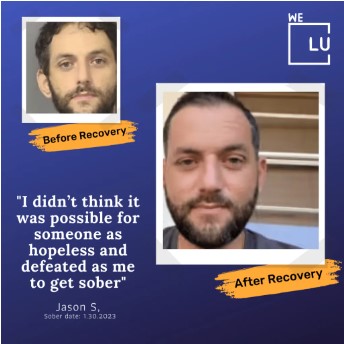
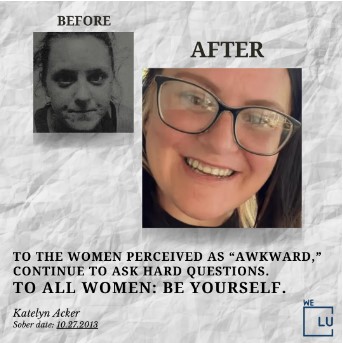
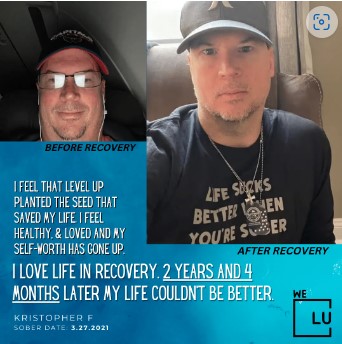
Experience Transformative Recovery at the We Level Up Treatment Center.
See our authentic success stories. Get inspired. Get the help you deserve.
Start a New Life
Begin with a free call to an addiction & behavioral health treatment advisor. Learn more about our dual-diagnosis programs. The We Level Up treatment center network delivers various recovery programs at each treatment facility. Call to learn more.
- Personalized Care
- Caring Accountable Staff
- Comfortable Amenities
- Licensed & Accredited
- Renowned w/ 5-Star Reviews