Understand Adderall misuse
If you or a loved one is struggling with Adderall misuse, an adderall rehab program can provide the safe, structured support you need to begin recovery. Prescription stimulants such as Adderall are FDA-approved for attention-deficit/hyperactivity disorder (ADHD) and narcolepsy when taken as directed by a physician. Over the past two decades, however, misuse of these medications has risen significantly before stabilizing around 2020 [1]. As a result, more adults find themselves dependent on Adderall, facing both physical and emotional challenges.
Understanding why misuse develops is the first step toward healing. You might have started taking higher doses to boost productivity, manage stress, or self-medicate undiagnosed conditions. Over time, tolerance builds—meaning you need more of the drug to achieve the same effect. Without intervention, this cycle can lead to full-blown addiction.
How misuse develops
- Initial use often begins with a legitimate prescription or peer sharing
- Increased dosage creates stronger reward signals in the brain
- Tolerance leads to more frequent or higher-dose use
- Dependence takes hold when you cannot function normally without the drug
Signs and risks of addiction
Watching for warning signs can prompt timely help. Common indicators include:
- Craving Adderall and spending excessive time obtaining it
- Taking the drug in ways other than prescribed (snorting, injecting)
- Neglecting responsibilities at work, school or home
- Experiencing anxiety, irritability or depression when not using
Left unaddressed, Adderall dependency can cause sleep disturbances, heart palpitations, elevated blood pressure, and serious mental health issues. Recognizing these risks early empowers you to seek a comprehensive solution rather than enduring damaging cycles of misuse.
Begin medical detoxification
Detoxification, or detox, is the process of clearing Adderall from your system under professional supervision. Although detox alone is not treatment, it forms the critical first step in recovery. Medical oversight reduces the risk of complications and eases withdrawal, making your transition into further therapy safer and more comfortable.
Why supervised detox matters
- Monitored vital signs prevent dehydration and cardiovascular strain
- Medication-assisted tapering helps manage intense cravings
- 24/7 nursing care ensures immediate response to adverse symptoms
- Emotional support reduces anxiety and fear during early withdrawal
Choosing a dedicated prescription pill detox center ensures you have access to physicians, nurses and counselors who specialise in prescription drug withdrawal. Their expertise helps you move through detox with dignity and minimal discomfort.
Managing withdrawal symptoms
When Adderall is reduced or stopped, you may experience a variety of withdrawal symptoms. The following table outlines typical onset and supportive measures:
| Symptom | Onset | Supportive care |
|---|---|---|
| Extreme fatigue | 24–48 hours | Structured rest periods, light activity |
| Increased appetite | 2–4 days | Nutritional counseling, balanced meals |
| Depression or mood swings | 1 week | Therapy, close monitoring |
| Sleep disturbances | 2–7 days | Sleep hygiene, relaxation exercises |
As you progress, detox staff will adjust your plan to ensure each symptom is addressed promptly. Remember, successful detox sets the foundation for long-term recovery—it is not an endpoint.
Get Help. Get Better. Get Your Life Back.
Searching for Accredited Drug & Alcohol Rehab Centers Near You? Or Mental Health Support?
Even if you have failed previously, relapsed, or are in a difficult crisis, we stand ready to support you. Our trusted behavioral health specialists will not give up on you. Call us when you feel ready or want someone to speak to about therapy alternatives to change your life. Even if we cannot assist you, we will lead you wherever you can get support. There is no obligation. Call our hotline today.
FREE Addiction Hotline – Call 24/7Engage in behavioral therapies
Since there are currently no FDA-approved medications to treat stimulant addiction, your recovery relies on evidence-based behavioral therapies. Research shows these approaches effectively reduce cravings and teach coping skills that prevent relapse [2]. In a structured program, you will learn to identify triggers, manage stress and rebuild healthy patterns of thinking.
Cognitive behavioral therapy
Cognitive behavioral therapy (CBT) is a cornerstone of stimulant addiction treatment. It helps you:
- Recognise negative thought patterns that lead to Adderall use
- Develop alternative, healthier responses to stress
- Practice skills for dealing with cravings in real time
- Foster self-reflection and accountability
By engaging in weekly one-on-one CBT sessions, you build a toolkit to keep you grounded long after leaving inpatient care.
Contingency management
Contingency management provides tangible rewards for meeting recovery goals. For example:
- Earning vouchers for negative drug screenings
- Receiving small privileges for attending group sessions
- Gaining incentives for maintaining a sober lifestyle
This positive reinforcement encourages consistency and accountability. Many rehab centers incorporate contingency management alongside other therapies to boost motivation.
Counseling and support groups
Peer connection plays a vital role in your journey. Group therapy and individual counseling offer:
- A safe space to share challenges and successes
- Guidance from licensed therapists experienced in stimulant misuse
- Strategies for rebuilding relationships and social skills
- Continuous encouragement as you progress
Consider enrolling in a structured prescription drug rehab program that combines individual and group modalities to maximise your chances of lasting change.
Incorporate holistic supports
While core therapy addresses the psychological aspects of addiction, holistic supports nurture your physical and emotional well-being. Integrating these practices into your routine promotes balanced recovery and reduces the risk of relapse.
Nutritional counseling and exercise
Proper nutrition and regular physical activity can help your brain and body heal:
- Balanced meals stabilise blood sugar and mood
- Exercise releases endorphins, reducing stress and depression
- Personalized meal plans address appetite changes during withdrawal
A qualified dietitian will design a nutrition plan that aligns with your recovery goals. Meanwhile, fitness instructors may lead group classes or one-on-one coaching to rebuild strength and stamina.
Mindfulness and stress management
Mindfulness techniques cultivate self-awareness and calm. Common practices include:
- Guided meditation sessions to reduce anxiety
- Breathing exercises for immediate stress relief
- Yoga or tai chi to enhance mind-body connection
- Journaling to process emotions and track progress
When you learn to observe cravings without acting on them, you gain control over your responses. Many rehab programs offer daily mindfulness workshops as part of their holistic care.

Get Your Life Back
Find Hope & Recovery. Get Safe Comfortable Detox, Addiction Rehab & Mental Health Dual Diagnosis High-Quality Care at the We Level Up Treatment Centers Network.
Hotline (877) 378-4154Address co-occurring conditions
Substance use disorders often coexist with mental health challenges such as depression, anxiety or untreated ADHD. Addressing these conditions concurrently leads to better outcomes than treating each issue separately [3]. A comprehensive assessment early in your stay helps tailor a plan that meets all of your needs.
Mental health evaluation
Upon admission, a licensed psychiatrist or psychologist will:
- Conduct diagnostic interviews to identify co-occurring disorders
- Review your medical history and current medications
- Evaluate risk factors for self-harm or severe mood swings
- Recommend adjustments to existing psychiatric treatments
This evaluation ensures that mental health concerns do not go unaddressed, reducing the likelihood of relapse driven by untreated symptoms.
Integrated treatment approach
Your individualized plan may include:
- Simultaneous therapy for both substance use and mental health
- Coordination among psychiatrists, therapists and primary care providers
- Medication adjustments for mood stabilization when appropriate
- Family therapy to improve communication and support networks
By treating all aspects of your health together, you build a more resilient foundation for lasting recovery.
Plan aftercare and relapse prevention
Recovery does not end when you leave residential treatment. A robust aftercare plan helps you stay engaged and prepared for life’s challenges without resorting to Adderall misuse.
Developing a relapse prevention plan
Work with your treatment team to:
- Identify high-risk situations and personal triggers
- Establish coping strategies such as deep breathing or calling a sponsor
- Set achievable short-term and long-term goals
- Create a schedule for follow-up therapy and support group meetings
Documenting these steps provides a clear roadmap to follow when stress or cravings arise.
Continuing support and follow-up
Long-term success often involves joining community resources:
- Outpatient therapy or counseling
- Alumni groups hosted by your rehab center
- 12-step or peer-led support meetings
- Family education and involvement programs
Regular check-ins with your care team allow for adjustments to your plan and reinforce accountability. Many people find that ongoing connection with peers and professionals makes all the difference.
Choose the right program
Selecting the best fit for your recovery journey is a deeply personal decision. Consider the following factors and feel confident as you weigh your options.
Factors to consider
- Level of care: inpatient, outpatient or partial hospitalization
- Staff credentials and experience with stimulant addiction
- Accreditation and licensing of the facility
- Availability of integrated mental health services
- Location, cost and insurance coverage
- Family involvement and visitation policies
Questions to ask providers
Before committing, you may want to ask:
- What detox protocols do you use, and how will my withdrawal be managed?
- Which behavioral therapies are included in your treatment plans?
- How do you address co-occurring mental health disorders?
- What aftercare and relapse prevention services do you offer?
- Can you connect me with alumni or current clients for firsthand feedback?
Talking openly with admissions staff helps you feel assured that you are choosing a program aligned with your needs. If you’re specifically looking for an adderall addiction treatment center, inquire about their experience treating prescription stimulant dependence and their success rates.
By understanding each phase—from medical detoxification to ongoing aftercare—you can take proactive steps toward recovery. With the right combination of professional guidance, evidence-based therapies and supportive community, lasting change is within reach. Take the first step today and explore your options at a trusted prescription drug rehab center.
References
Experience Transformative Recovery at the We Level Up Treatment Center.
See our authentic success stories. Get inspired. Get the help you deserve.
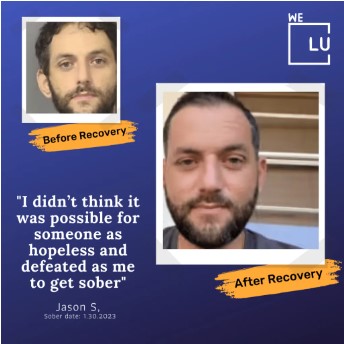

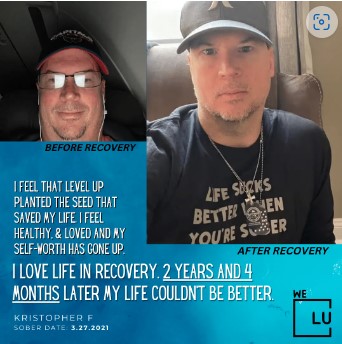
Start a New Life
Begin with a free call to an addiction & behavioral health treatment advisor. Learn more about our dual-diagnosis programs. The We Level Up treatment center network delivers various recovery programs at each treatment facility. Call to learn more.
- Personalized Care
- Caring Accountable Staff
- Comfortable Amenities
- Licensed & Accredited
- Renowned w/ 5-Star Reviews